
The Cringe Compass: Why Embarrassment Points to Growth

The Cringe Compass: Why Your Most Embarrassing Moments Point Straight at Your Growth
Embarrassment isn't a red flag to avoid — it's a compass pointing toward the growth you're afraid to chase.
Tactical Tuesday
By Brett G Waddell ~ TheMorningMotivator.com
WAKE UP! Awareness Brings Answers!
You know that feeling right before you hit "post," raise your hand, or say the thing out loud — the tightening in your chest that whispers, "everyone's going to think this is cringe"?
That feeling has been running your life longer than you realize, quietly talking you out of every big thing you've ever wanted!!
Today's trainer, Amber Uhler — Mrs. Florida 2024, Mrs. USA 2025, and a woman who lost over 160 lbs before she ever felt "ready" — walked on stage and fell on purpose just to prove a point: that gasp in your gut isn't danger, it's direction. Today's Upgrade is learning to read your own cringe compass instead of obeying it.
Amber's entire message is built around one idea: cringe is courage in its earliest form.
It's the kind of gut-check I think we all need on repeat! So today, I'm handing the mic to that message, breaking it down piece by piece, so you can pull out exactly what you need.
Quick read now. Quick reference later. Let's get into it.
🎯 Tactical Tuesday UPGRADE: Weaponize Your Embarrassment
Most people run from anything that feels awkward or exposing. Champions recognize that exact feeling as their growth compass pointing true north. Here's the real problem: you're not avoiding failure — you're avoiding visibility.
🎖️ The Upgrade: In the next 24 hours, do ONE thing that makes your chest tighten with the fear of looking foolish. Not dangerous — just uncomfortably visible. That's your cringe compass working.
Now wire it in with REAP:
• Recognize the story that says "cringe means stop."
• Envision who you'd be if embarrassment was your navigation system.
• Act today as that person would (one visible, slightly awkward step).
• Program it in your theta window tomorrow morning.
(Full REAP breakdown and theta application below 👇)
That's not just a journal prompt. That's how champions are built. Awareness, as always, brings answers. Here's the breakdown.
"Cringe is not the moment you should stop. Cringe is the moment you should press forward. Try loudly. Try publicly. Try imperfectly." ~ Amber Uhler
I can give you the exact breakdown, the science, and the action steps below—but nothing captures the raw power of this truth quite like watching Amber Uhler deliver it. Before you dive into the notes, hit play to see the framework in action.
Seeing it done makes it real. Now, let's extract the exact mechanics so you can apply this to your life today. Keep reading for the core concepts, the 5-minute audit, and the REAP framework to wire this in for good.
🌞 The Core Concept: The Cringe Compass Framework
Amber Uhler introduces a revolutionary reframe: that tightening in your chest when you're about to do something visible isn't a warning sign to retreat—it's your cringe compass pointing directly toward the growth you're avoiding!
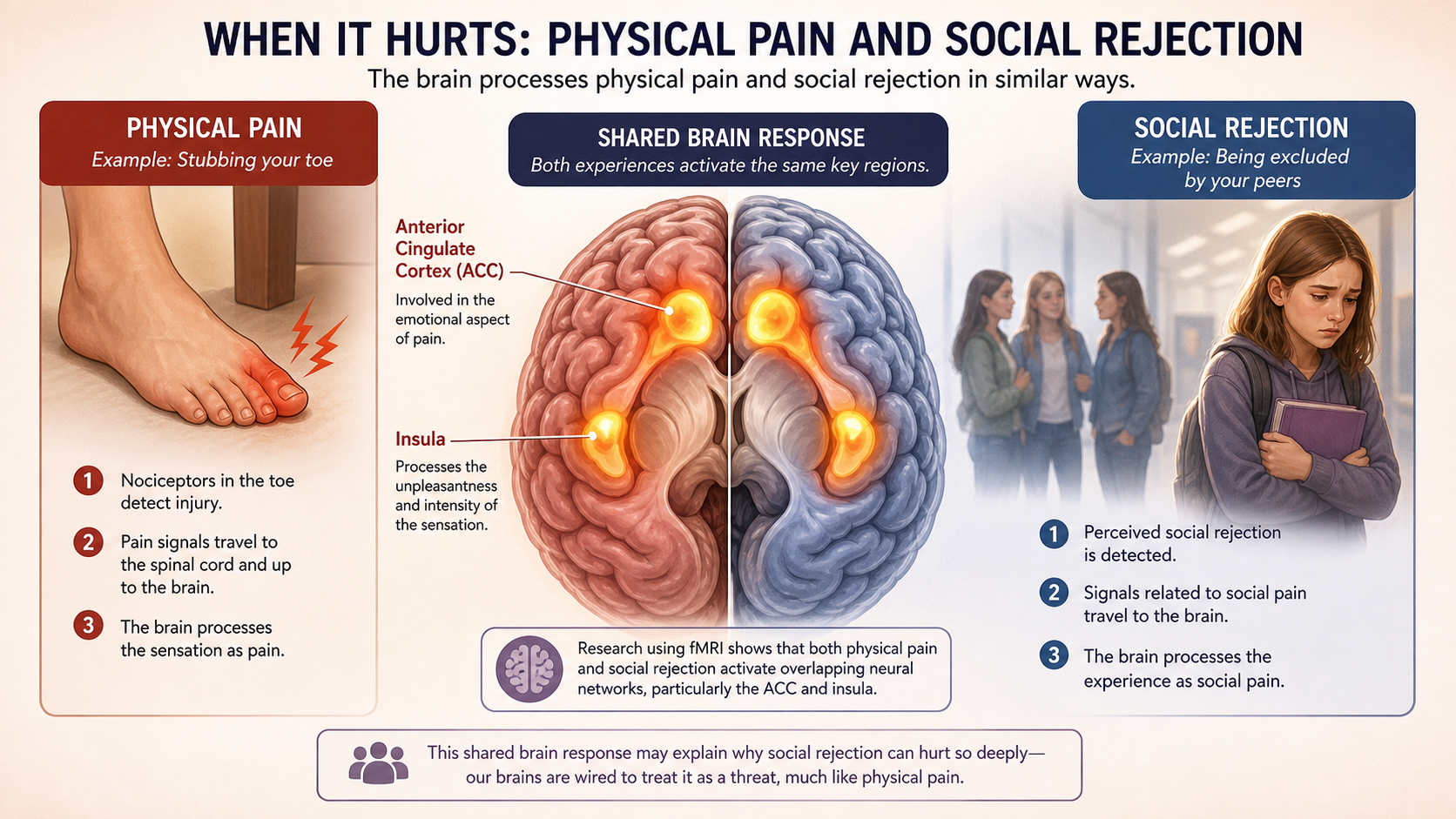
This isn't motivational fluff; it's backed by neuroscience showing that social pain activates the same brain regions as physical pain, which is why embarrassment feels so dangerous even when it's not.
🟢 Rule 1: Social Pain is Biological, Not Weakness
Psychologists have proven that embarrassment and rejection activate the same neural regions as physical pain—your anterior cingulate cortex and insula don't distinguish between "I'm about to be judged" and "I'm about to be attacked."
This is why your body screams "don't post that" or "don't raise your hand."
It's not protecting your reputation; it's trying to protect your survival. Understanding this biological reality removes the shame from feeling afraid to try publicly.
🟡 Rule 2: The Spotlight Effect is an Illusion
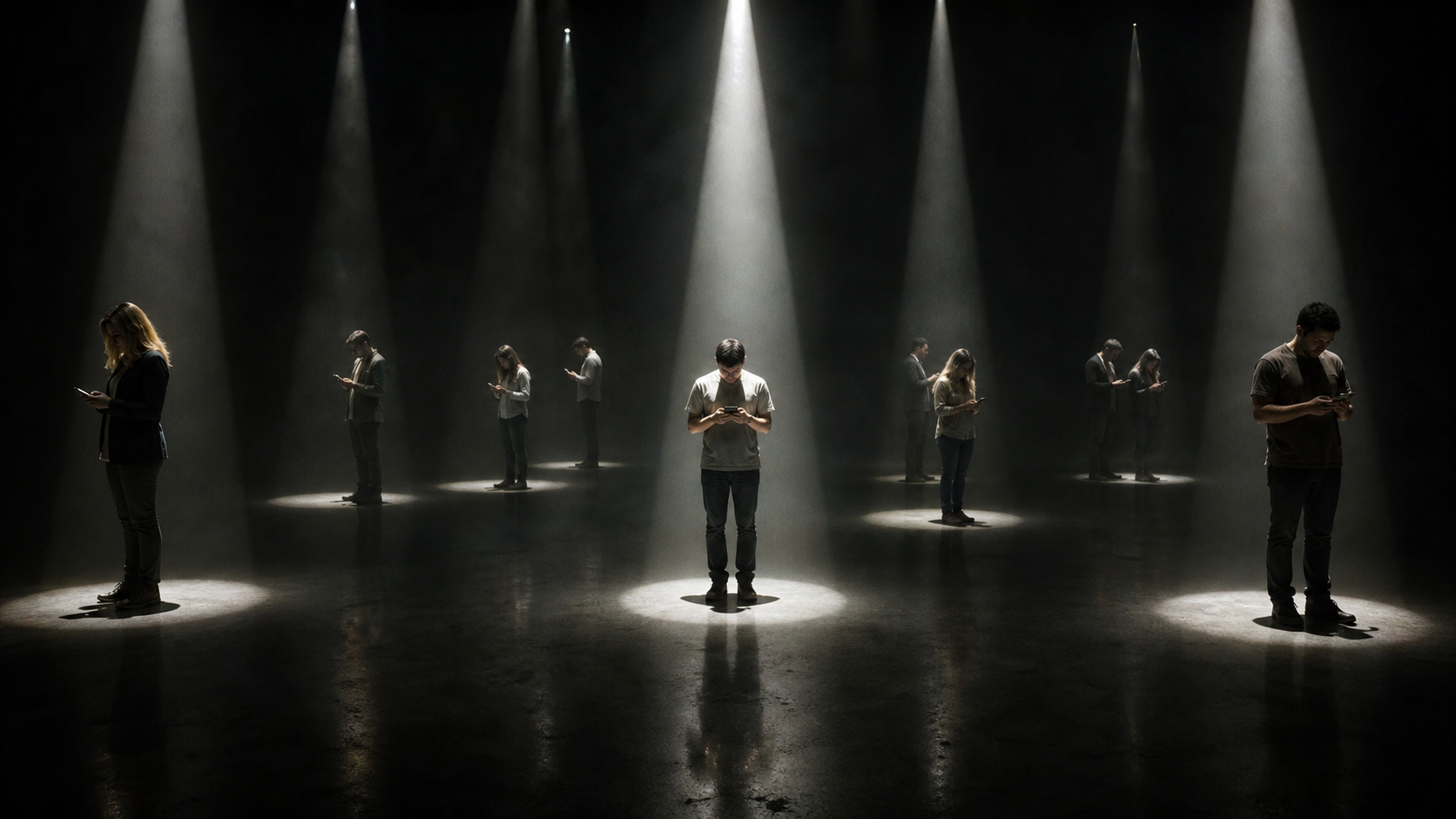
Research by psychologists Thomas Gilovich and Victoria Medvec reveals something liberating: people are far too busy thinking about themselves to notice you as much as you think.
We imagine a spotlight is trained on our every move, but in reality, everyone is standing under their own spotlight.
That embarrassing moment you think ruined your life? Most people didn't even notice, and the ones who did will forget by tomorrow.
💥 The spotlight effect is a cognitive bias, not reality!
🟠 Rule 3: Regret of Inaction Grows, Embarrassment Fades
Gilovich and Medvec's research on regret shows a clear pattern: over time, people regret inaction far more than effort.
The embarrassment fades. The misstep softens. But the regret of not trying grows into the haunting question that follows you for decades: "What if?" Those two simple words—what and if—when put together have the power to haunt you for a lifetime.
The people who win aren't the ones who avoided embarrassment; they're the ones who reframed it as data!!
🟣 Rule 4: Criticism from the Cheap Seats is Projection
A CEO won't laugh at you for starting a business. A fit person won't mock you for going to the gym. Someone who's creating won't criticize your art.
Most criticism from the cheap seats isn't information—it's projection.
The word "cringe" is a form of social punishment used by people who will never train, never risk failure, and never show up.
👉🏼 When someone calls your efforts cringe, it means you're visible and daring to do something they've never had the courage to attempt.
⚫ Rule 5: Courage Precedes Confidence, Not the Other Way Around
Amber lost over 160 pounds, stepped into rooms where she didn't belong yet, and raised her hand for opportunities before feeling qualified. But here's her secret: losing the weight didn't fix her life—courage did!
Courage long before confidence. Courage far before feeling ready. Courage even while people watched.
None of it happened because she finally felt ready; it happened because she was willing to feel cringe and do it anyway.
🌈 History doesn't belong to the people who were told yes easily—it belongs to the people who tried anyway.
🚀 Solution: 5-Minute Cringe Compass Audit — Run One Full Round
Here's how to apply that in the next five minutes, today:
Minute 1 - Identify the Tightening: Close your eyes and scan your life for one area where you feel that familiar chest-tightening hesitation. Is it posting your work? Asking for the raise? Starting the business? Going to the gym? Name it specifically. Write it down: "I'm avoiding ______ because it feels cringe."
Minute 2 - Verify the Compass: Ask yourself: "If this feels cringe, is it actually pointing toward growth?" Check the box if: it requires visibility, it involves trying publicly, it risks judgment, or it stretches your current identity. If you checked at least one box, your cringe compass is working—it's pointing true north.
Minute 3 - Reframe the Biology: Remind yourself: "My nervous system is treating this like a survival threat, but this is social pain, not physical danger. The spotlight effect means people won't notice as much as I think. And if they do, they'll forget by tomorrow." Write this reframe down.
Minute 4 - Design the Micro-Action: Create the smallest possible version of the cringe-worthy action that still counts. Not "launch my business"—but "post one sentence about my idea." Not "get in perfect shape"—but "walk into the gym and take one photo." Make it so small it feels almost ridiculous, but still visible.
Minute 5 - Execute Within 24 Hours: Schedule the exact time you'll complete this micro-action in the next 24 hours. Set a phone reminder. Tell one person you're doing it. Then commit: when the chest-tightening comes, that's your signal to proceed, not retreat.
This isn't about being reckless or ignoring real danger. It's about precision—giving your nervous system a known off-ramp before you ask it to solve anything. You're teaching your brain that cringe equals growth, not threat.
🧠 If this shifted something for you, there's more where it came from! Get a daily upgrade like this dropped in your inbox every morning. Subscribe free →

❓ FAQ
Q: What if I actually do get judged or mocked for trying? Won't that hurt?
A: Yes, it might. And that's exactly why it matters. Dr. Carol Dweck's research on growth mindset shows that people who treat failure as information rather than identity persist longer, perform better, and succeed more often. The people who win aren't the ones who avoid embarrassment—they're the ones who reframe it. Facing embarrassment doesn't hinder progress; it creates it.
And remember: a CEO won't laugh at you for starting a business. Real practitioners respect the attempt. The mockery only comes from those who've never entered the arena.
Q: Does this apply to professional settings, or just personal growth stuff?
A: Absolutely to professional settings. Raising your hand in a meeting, pitching an unconventional idea, applying for a stretch role, sharing your work publicly—these all trigger the cringe compass. Amber specifically mentions applying for roles before feeling qualified and raising her hand for opportunities.
The mechanism is universal: your nervous system treats visibility as threat whether you're posting on social media or presenting to the board. The reframe works everywhere.
Q: How do I know if I'm being recklessly cringe versus courageously cringe?
A: The test is simple: recklessness ignores real danger; courage acts despite social discomfort. If your instinct is hesitation because of potential judgment, embarrassment, or looking foolish—that's courage territory. If your instinct is hesitation because of actual physical danger, ethical violation, or harming others—that's wisdom saying no.
Amber's 24-hour challenge is specific: "do one thing that feels a little cringe. Not dangerous, not reckless, just uncomfortable enough that your instinct is to hesitate." That's your filter.
🌞 REAP Practical Application: The Cringe-to-Courage Reframe
This is how we think. This is how we move. This is how we show up!
R — Recognize & Run Out: Notice the old pattern: "If this feels cringe, I should stop." Pause. Ask: has avoiding visibility actually worked yet? Has playing it cool gotten you the life you want? Name the specific area where you're hiding: ______.
E — Exchange + Envision + Emotion: Replace it with: "Cringe is my compass pointing toward growth." Feel that land—not avoidance, but courage. Not shame, but direction. Not fear, but data. This is the moment you collect the information that drives you closer to success.
A — Activate with Action: Run one full Cringe Compass Audit on whatever you're carrying right now. Complete the 5-minute protocol above. Then execute your micro-action within 24 hours. One rep. One visible step. One moment of choosing courage over comfort.
P — Program & Prosper: Use this inside your theta window—the first 5–10 minutes after waking, or the last 5–10 before sleep. Visualize yourself doing the cringe-worthy thing and feeling proud instead of ashamed. Stack the reps. Presence becomes identity. Identity becomes reality.
"Neurons that fire together, wire together." — Donald Hebb

🚨 Critical Window: Your 5-Minute Theta Mornings
The first 5–10 minutes after you wake up is neurological gold!
Your brain is still in a more receptive theta state—the exact window to feed your mind the input you actually want wired in, instead of whatever the group chat throws at you first.
That's why I built the 5-Minute Theta Mornings Routine: no decisions, no overthinking, just a simple practice to program your mind for strength, presence, and purpose.
Today's topic hits different in that window—reframing embarrassment as direction before the world tells you to play it safe is how you claim your own identity.
🌟 Synchronicity Check: If a moment of self-doubt or comparison shows up right after you read this, that's not random. Something in you already knows what cringe-worthy action you'd avoid first. Honor that. Name it today. Do it anyway.
💪🏼 Subscribe Free and get your Theta Mornings PDF → Program... don't be programmed.
🏖️ The Bigger Vision
Perfect days are engineered. One decision. One behavior. One moment of awareness at a time.
You don't need better conditions to try publicly. You need five minutes, one cringe compass audit, one micro-action, one reframe of embarrassment as data, and the willingness to feel the chest-tightening and proceed anyway.
That's not a motivation hack. That's a Tactical Tuesday-morning decision, repeated until it becomes who you are.
This is the mission: Awareness → REAP → Repetition → Identity → Reality.

✨ Tactical Tuesday UPGRADE: Your Next Step 💪
✅ If today's post shifted how you see your own fear of judgment, hesitation to try publicly, or avoidance of visibility — there's more where that came from, every single day at 4:44 AM. Subscribe Free and get your Theta Mornings PDF →
✅ Share this with someone who has been playing it cool and hiding their dreams instead of using their cringe compass to navigate toward growth.
🎯 The Upgrade🎖️ Identify ONE area where you're waiting to "feel ready." Now ask: "What's the smallest action I could take in the next 24 hours that would prove to myself I'm capable?" Make it so small it feels almost ridiculous—then do it anyway.
Five minutes. One shift. One upgrade. Stay focused. Keep trying.
P.S. — This is how we reach the perfect day. Not all at once. One deposit at a time. One honest pattern at a time. One upgraded morning at a time. See you tomorrow at 4:44 AM.
🌱 Start Here: The Foundation
🔸Your Genes Are the Blueprint, Your Beliefs Are the Builder: Rewiring Reality Through Epigenetics
The foundation of our biology teaching: how beliefs, environment, and repeated inputs shape the way we live.
🔸The Illusion of Reality: Where Consciousness Research Meets Direct Experience
The beginning of our consciousness and awakening series—an invitation to question the reality you have been handed.
💖 This post exists because I believe the best thing I can do for you is bring you the truth — Scientific, Soulful, and Actionable. YOU are why I'm here—so my mistakes and research become your shortcuts!
Pay It Forward! 🚀
~Brett
TheMorningMotivator.com
We're Upgrading 1%+ Every Day! (+34% Monthly, +38% Annually!)
Medical & Training Disclaimer: Hey, I'm just your science-backed, soul-led, unapologetically human mindset & performance trainer. The content provided in this blog post is for educational and informational purposes only. I am not a licensed physician, physical therapist, or medical professional, and this blog is NOT intended as a substitute for qualified medical advice. Always consult your healthcare provider or certified coach before making major life decisions or life changes. Got it? Good. I'll catch you tomorrow. Peace out!


