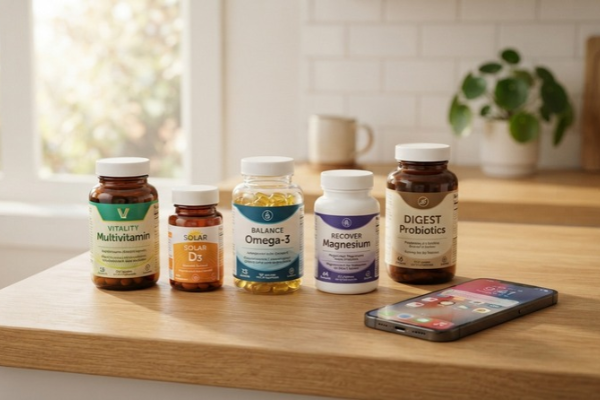
5 Supplements Doctors Actually Take (3 Are a Waste)

5 Supplements Doctors Actually Take (And 3 They Say Are a Waste of Money)
Two physicians rank the top five evidence-based supplements — and reveal which popular ones are pure hype.
Wellness Wednesday
By Brett G Waddell ~ TheMorningMotivator.com
Don't miss tomorrow's Thirsty Thursday Upgrade: — Harvard Psychiatrist: Why You Feel Lost—And Why It's Not Your Fault — free at 4:44 AM. Subscribe →
WAKE UP! Awareness Brings Answers!
You're standing in the supplement aisle. Phone in hand. Somewhere between the fifth and sixth bottle, your brain just... checks out. Magnesium? Creatine? B12? You came in for one thing and now you're wondering if you need all of them — or any of them.
I've been that guy. I've bought the fancy gummies, the "hair and nails" blends, the megadose vitamin C every time I felt a sniffle coming on. And you know what most of it did? Absolutely nothing. I wasted money on hype while ignoring the handful of supplements that actually have evidence behind them.
Here's what I finally learned: the supplement industry is a billion-dollar machine, and it's counting on you staying confused. Because confusion keeps you buying. But two physicians — Dr. Bradley and Dr. Salazar — just laid out the truth, and it's simpler than you think.
The real cost of staying confused isn't just money. It's the sleep you're not getting, the energy you're missing, the health you're quietly leaving on the table.
So here's the question: if the answer is actually just five supplements — and two of them cost less than your coffee — what's stopping you from getting this right today?
🏆 Wellness Wednesday UPGRADE
Most people treat the supplement aisle like a lottery ticket — grabbing whatever's on sale and hoping for the best. Dr. Bradley and Dr. Salazar did the opposite: they stripped it down to only what the evidence actually supports.
Here's the real issue: confusion is profitable for the industry, but it's expensive for your health.
🎖️ The Upgrade: Before you buy another supplement, write down the five evidence-based ones from this post and cross off anything in your cabinet that isn't on the list. One audit. Five minutes. That's it.
(Full REAP breakdown and theta application below 👇) That's not just a cabinet clean-out. That's how you stop funding hype and start funding your health. Awareness, as always, brings answers. Here's the breakdown.
"It's right in the word. It's designed to supplement your diet and supplement a healthy lifestyle. Otherwise, they'd be called replacements."
Don't have time for the full podcast? I already pulled the exact moments that matter below. Hit play if you want to see it live, or keep scrolling for the breakdown.
Seeing it makes it real. Now, let's extract the exact mechanics so you can apply this to your life today. Keep reading for the core concepts, the 5-minute audit, and the REAP framework to wire this in for good.
🌞 The Core Concept: Supplements That Actually Earn Their Place
Two physicians. One billion-dollar industry. And a simple filter: what does the evidence actually say?
Dr. Bradley and Dr. Salazar ranked their top five evidence-based supplements — plus the popular ones they'd leave on the shelf. Here's the breakdown.
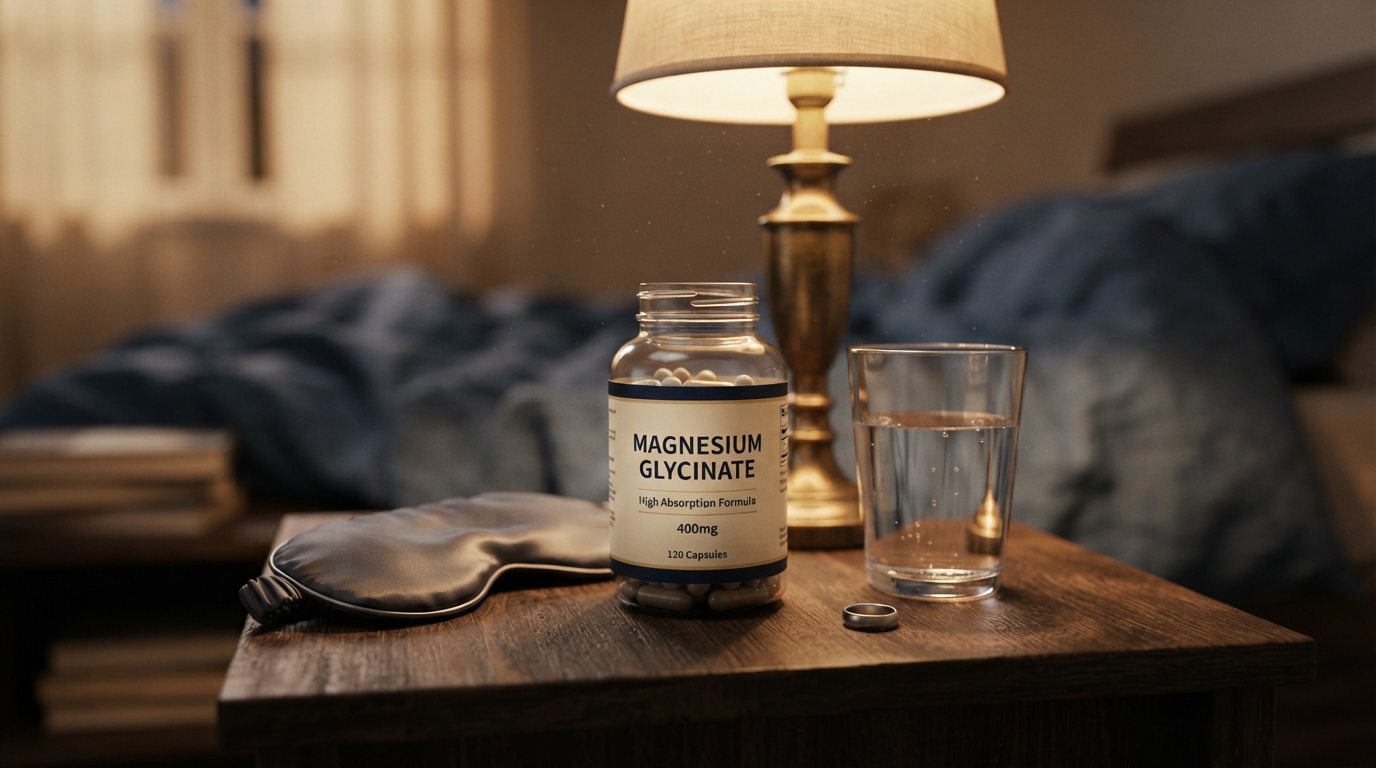
🟢 #5 — Magnesium: The Sleep and Recovery Mineral
Magnesium supports sleep, restless legs, and roughly 300 different reactions in the body. It's also used for GI regularity — the citrate form helps with constipation. Most people are deficient, but serum testing is unreliable, so the practical test is simple: take it until you get loose stools, then back off.
If you're picking just one type, choose glycinate — unless constipation is your issue, then consider citrate.
Key Takeaways:
Supports sleep, restless legs, and hundreds of bodily functions
Best single pick: glycinate; citrate if constipated
Most people are deficient and under-dosing
🟡 #4 — Omega-3: Brain First, Heart Second
Omega-3 (EPA and DHA) has strong evidence for brain function and mid-level evidence for heart health, including LDL and cholesterol benefits.
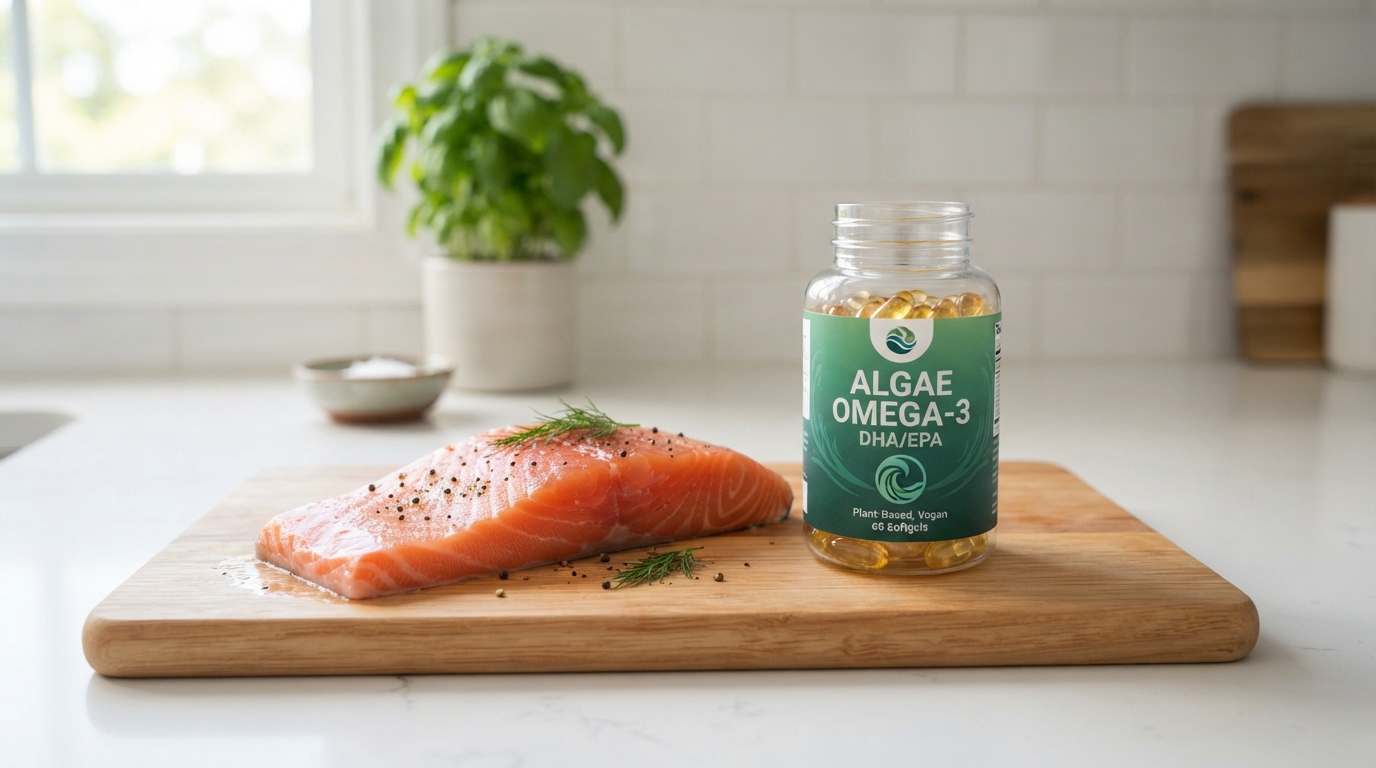
Food first — salmon and fatty fish — but most people don't eat enough. If you're plant-based, go algae-based: the fish get it from algae, so you can skip the middleman. It costs a little more, but it's worth it if your diet is inadequate.
Key Takeaways:
Strong evidence for brain; solid mid-level evidence for heart
Food first, supplement if intake is low
Plant-based? Choose algae-based omega-3
🟠 #3 — Vitamin B12: The Nerve and DNA Essential
B12 is critical for nerve function and DNA synthesis, and deficiency is very real — leading to fatigue and nerve issues. It's found in animal products, with organ meat the most dense source.
Here's the myth-buster: the MTHFR gene variant does NOT mean you need expensive methylcobalamin. Most people do fine on cheaper cyanocobalamin. If your levels stay low despite supplementing, see a physician and get tested.
Key Takeaways:
Essential for nerve function and DNA synthesis
Most people do fine on standard cyanocobalamin
Low levels despite supplementing? Get tested by a physician
🔴 #2 — Creatine: The Most-Studied Supplement on Earth
Creatine has one of the best safety profiles of any supplement — and two persistent myths are false: it does NOT cause hair loss, and it does NOT damage kidneys (unless you already have kidney disease — then check with your doctor).
Think of it as cash for short bursts of energy: it improves training quality and recovery, which translates to strength and muscle over time. It's not a steroid. Growing evidence also supports brain function and mood.
Key Takeaways:
Excellent safety profile; hair-loss and kidney myths debunked
Improves training, recovery, and muscle preservation with age
Growing evidence for brain function and mood
🟣 #1 — Vitamin D: The One They Recommend Most
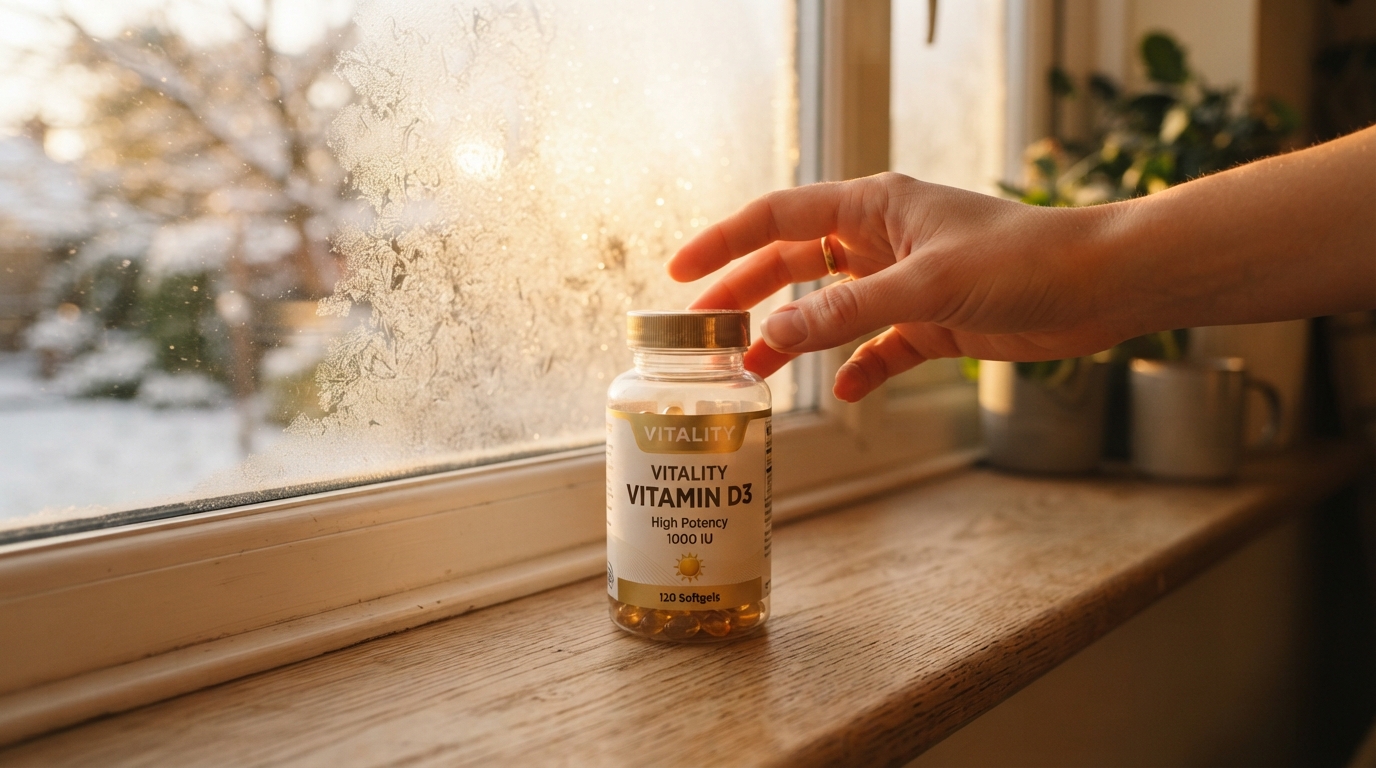
Vitamin D is the supplement both doctors recommend most to patients. If you live somewhere sunny and spend time outdoors, you may not need it — but most people are indoors more, wear sunscreen, and live too far north to make enough from October through April.
It matters for fracture risk, osteopenia, osteoporosis, and postmenopausal women especially. Typical dose: 1,000–2,000 IU, sometimes more depending on your situation.
Key Takeaways:
The most-recommended supplement by both physicians
Impossible to get enough sun in northern winters (Oct–April)
Typical dose: 1,000–2,000 IU; few good food sources
🚫 The 3 They Say Are a Waste of Money
1. Collagen — Collagen gets a lot of attention, but the evidence for it is pretty weak. Both doctors agreed.
2. Biotin — The "hair and nails" gummy aisle favorite. The evidence for biotin is actually not very good, despite the marketing.
3. Vitamin C — One of the most overused supplements with the least good scientific evidence. Megadosing when you're sick? The evidence is mixed to soft. (As the docs joked — tell that to the sailors who got scurvy.)
Key Takeaways:
Collagen: weak evidence, despite the hype
Biotin: weak evidence for hair and nails
Vitamin C: overused; mixed to soft evidence for fighting sickness
⚠️ The Honorable Mentions
Worth considering:
Fiber (if your diet is low), protein (especially for older adults and gym-goers), and zinc (soft evidence for immune function).
What the docs actually take:
Dr. Bradley: Vitamin D, omega-3, and a multivitamin
Dr. Salazar: Vitamin D (skips in summer), omega-3, B12, creatine daily, and magnesium (admits he forgets)
Even the experts forget sometimes. Supplements supplement — they don't replace.

❓ Quick Reality Check (Before We Begin)
🔸 You might be thinking: "But I've heard creatine causes hair loss and wrecks your kidneys. Isn't this dangerous?"
The Truth: Both claims have been studied and debunked. Creatine does not cause hair loss, and it does not damage kidneys in healthy people. The only caveat: if you already have kidney disease, check with your treating physician first. The safety profile is excellent precisely because it's been studied for so long.
🔸 "Isn't this just another supplement fad? Won't the list change next year?"
The Truth: No one is denying that new research emerges. The shift isn't about chasing trends — it's about following evidence. These five have decades of research behind them. The list may expand, but the principle holds: supplement your diet, don't replace it. You can't supplement away a 20-year smoking history.
🚀 The REAP 5-Minute Accountability Reset
This is how we think. This is how we move. This is how we show up! Don't just read this — run one full round right now:
R — Recognize & Run Out (Minutes 1 & 2)
Name one supplement in your cabinet right now that you bought on hype, not evidence. Fact-check it honestly: has it actually delivered, or just given you a false sense of doing something? Pause the old "it can't hurt" story.
E — Exchange + Envision + Emotion (Minutes 3 & 4)
Exchange your input. Visualize your next trip to the supplement aisle — or your next online order. Instead of grabbing the flashy label, envision walking past it with confidence because you know the five that matter. Feel the shift from "hoping it works" to "knowing why it works."
A — Activate with Action (Minute 5)
Write down the five evidence-based supplements from this post. Then write down one thing in your cabinet you're crossing off the list. Commit to it before the day ends.
P — Program & Prosper (The Theta Window)
Celebrate tiny wins and lock this in during your neurological goldmine: the first 5–10 minutes after waking, or the last 5–10 before sleep. Stack the reps. Presence becomes identity. Identity becomes reality!
(Note on the science: This is the foundation of Hebbian learning—often summarized as "neurons that fire together, wire together." Repeated mental patterns physically strengthen neural pathways, a principle first established by Donald Hebb in 1949 and continuously validated in modern neuroplasticity research).

🧠 Audit Before You Buy — Lock It In Today!
If this reset shifted something for you, don't let it fade by noon!
Get tomorrow's Thirsty Thursday Upgrade — Harvard Psychiatrist: Why You Feel Lost—And Why It's Not Your Fault — dropping free at 4:44 AM.
Subscribe Free → and get instant access to the 2-Page REAP & Theta Mornings PDF
🎖️ Wellness Wednesday Upgrade: Before you buy another supplement, write down the five evidence-based ones from this post and cross off anything in your cabinet that isn't on the list. One audit. Five minutes. That's it.
Five minutes. One shift. One upgrade. Stay focused. Keep building!
P.S. — This is how we reach the perfect day. Not all at once. One deposit at a time. One honest pattern at a time. One upgraded morning at a time. See you tomorrow at 4:44 AM.
🌱 Start Here: The Foundation
🔸 Your Genes Are the Blueprint, Your Beliefs Are the Builder: Rewiring Reality Through Epigenetics
The foundation of our biology teaching: how beliefs, environment, and repeated inputs shape the way we live. CLICK HERE →
🔸 The Illusion of Reality: Where Consciousness Research Meets Direct Experience
The beginning of our consciousness and awakening series—an invitation to question the reality you have been handed. CLICK HERE →
💖 This post exists because I believe the best thing I can do for you is bring you the truth — Scientific, Soulful, and Actionable. YOU are why I'm here—so my mistakes and research become your shortcuts!
Pay It Forward! 🚀
~Brett
TheMorningMotivator.com
We're Upgrading 1%+ Every Day! (+34% Monthly, +38% Annually!)
Medical & Training Disclaimer: Hey, I'm just your science-backed, soul-led, unapologetically human mindset & performance trainer. The content provided in this blog post is for educational and informational purposes only. I am not a licensed physician, physical therapist, or medical professional, and this blog is NOT intended as a substitute for qualified medical advice. Always consult your healthcare provider or certified coach before making major life decisions or life changes. Got it? Good. I'll catch you tomorrow. Peace out!


