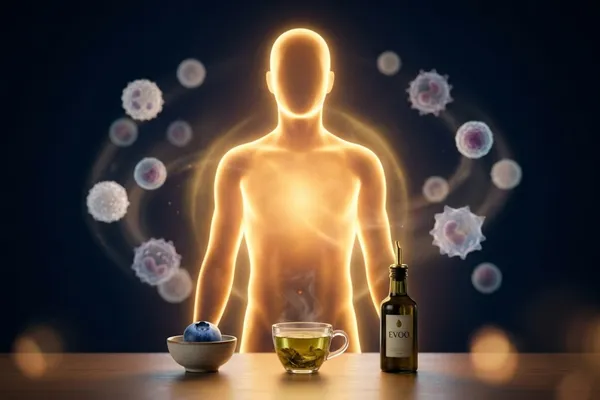
Immune System Strong After 40: 3 Cancer-Fighting Foods
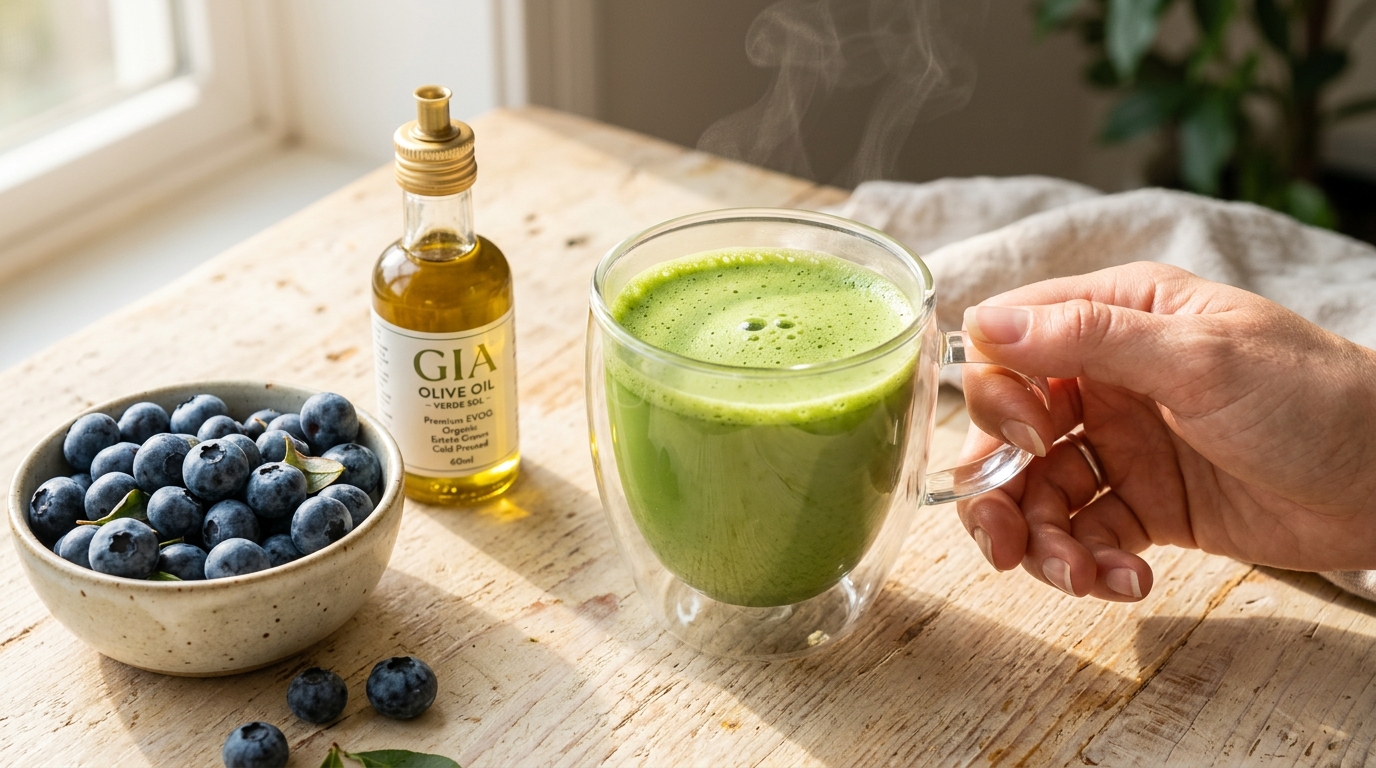
Your Immune System Kills Cancer Cells Every Day — Here's How to Keep It Strong After 40
Your immune system hunts cancer and infections daily, but aging weakens it. Three foods — blueberries, green tea, and olive oil — can help restore its balance.
Wellness Wednesday
By Brett G Waddell ~ TheMorningMotivator.com
Don't miss tomorrow's Spotlight Saturday Upgrade: He Quit Silicon Valley to Teach Meditation—Here's the 6-Phase System That Rewrites Your Future — Vishen Lakhiani — free at 4:44 AM. Subscribe →
WAKE UP! Awareness Brings Answers!
This Wellness Wednesday, we're leaning into cancer prevention again. Most families have been hit with the C word — mine included. I've lost family and friends to cancer, and I've had pre-cancerous lesions removed myself.
So when I tell you this matters to me, I mean it. I'm not sharing this because it's trending. I'm sharing it because I refuse to be a sitting duck!
Here's what I've learned: your body is already fighting this battle every single day — hunting down abnormal cells and wiping them out before they ever become a problem. The question is whether you're giving your immune system what it needs to win.
Today, I'm bringing back Dr. William Li — a world-renowned physician and researcher — to show us exactly what happens to your immune system as you age, and the three simple foods that help it stay strong.
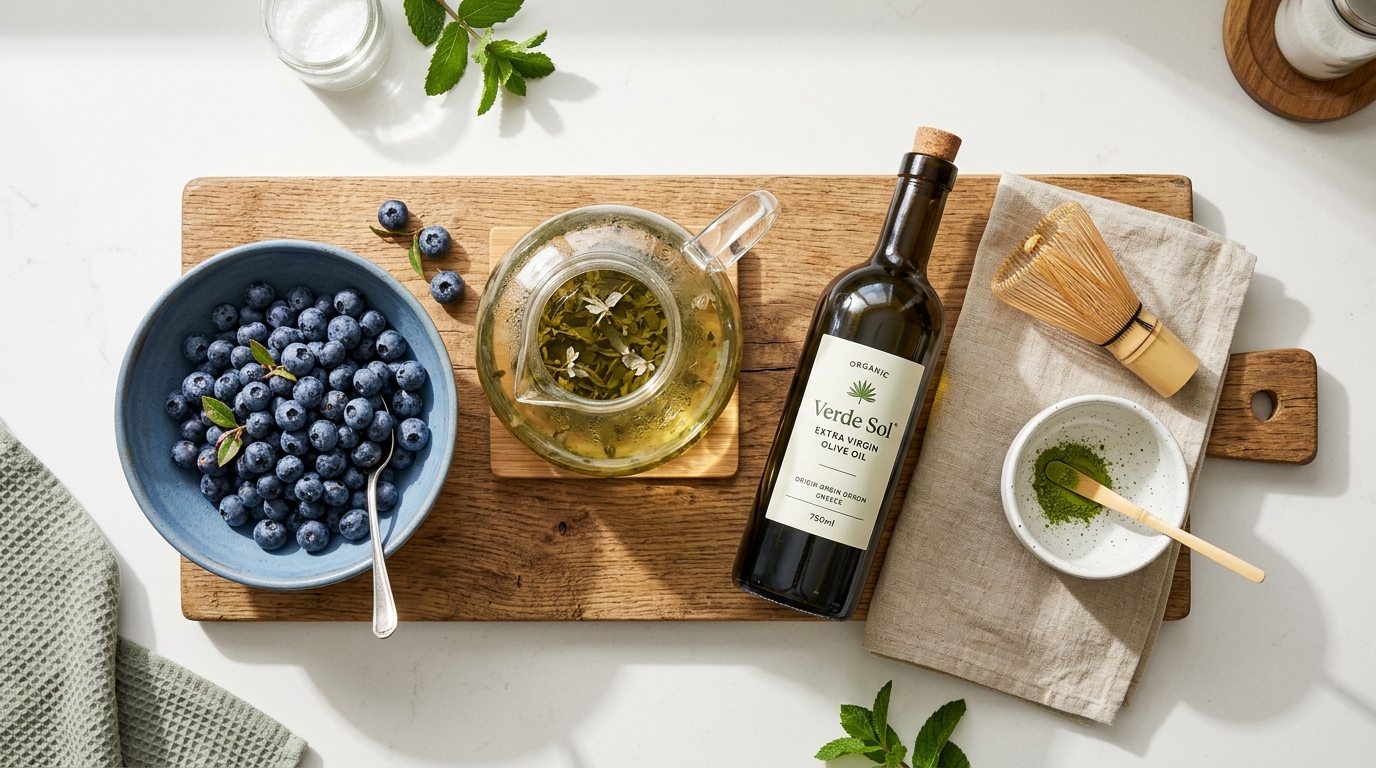
And here's the thing — all three are already in my daily diet. Right now, I'm sipping on matcha tea, which packs an even higher concentration of that EGCG polyphenol than regular green tea.
I'm not just talking about this. I'm living it.
Stay with me. Let's Upgrade!
🏆 Wellness Wednesday UPGRADE
Most people wait for a diagnosis to start caring about prevention. Dr. Li did the opposite — he showed us the battlefield inside your body right now. Here's the real problem: you can't feel a microscopic tumor, and by the time you can, it's already a billion cells.
🎖️ The Upgrade: Pick One - Add one cup of blueberries, 2–3 cups of green tea (or matcha), or extra virgin olive oil to your daily routine starting today! Your future self will definitely thank you!
(Full REAP breakdown and theta application below 👇)
That's not just a grocery list. That's how you reinforce the army already fighting for you. Awareness, as always, brings answers. Here's the breakdown.
"Your immune system can't take a break ever. Most people think about aging in terms of wrinkles or maybe a slower metabolism, but your immune system may be your most important defense against the ravages of aging."
"This is not chemo. It's actually helping your body do its own thing — your own defenses to kill that cancer, to do what it normally is supposed to do when you're younger."
Don't have time for the full podcast? I already pulled the exact moments that matter below. Hit play if you want to see it live, or keep scrolling for the breakdown.
Seeing Dr Li makes it real. Now, let's extract the exact mechanics so you can apply this to your life today. Keep reading for the core concepts, the 5-minute audit, and the REAP framework to wire this in for good.
🌞 The Core Concept: Your Immune System Is Your First Line of Defense — And It's Aging
Your immune system never sleeps. It's constantly identifying threats, responding to them, and keeping your body safe — from bacteria and viruses outside your body to abnormal cells inside your body.
But as you age, something called immunosenescence kicks in. That's the scientific term for your immune system slowing down and becoming less effective. And what happens next is a two-part problem that most people never see coming.
🟢 The Two-Part Problem: Shields Down + Inflammation Out of Control
When your immune system ages, two things happen simultaneously.
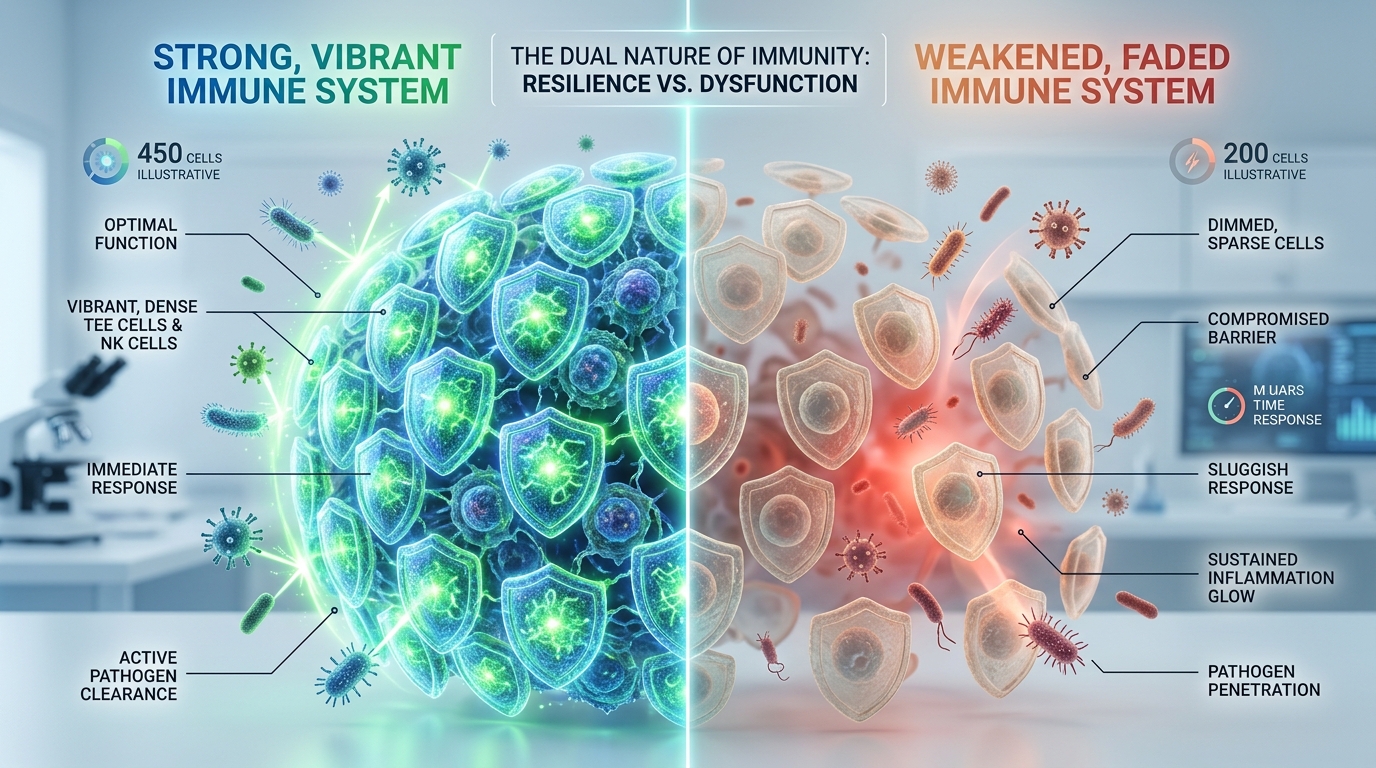
🔸 First, you experience a loss of immune defense — your shields go down. Your immune cells become less and less effective at responding to threats.
🔸 Second, you lose immune regulation — your immune system can still mount inflammation, but it can't stop it. This leads to chronic, low-grade inflammation, what scientists call "inflammaging."
Dr. Li describes it like this: inflammation should be like a fire that does its job and then gets put out immediately. But with inflammaging, it's like a smoldering electrical fire inside the walls of your house.
You can't see it. You can't feel it. But it's doing damage every single day.
Key Takeaways:
Immunosenescence = your immune system slowing down with age
Loss of immune defense = your shields are down; threats slip through
Loss of immune regulation = inflammation never turns off, leading to "inflammaging"
🟡 Your Body Makes Cancer Cells Every Day — Here's Why You're Still Alive
Your body is made of roughly 40 trillion cells. They divide, reproduce, and copy themselves constantly — that's why you're still here today compared to yesterday. But every time a cell copies itself, there's a chance for a mistake. That mistake is a mutation. And enough mutations accumulating is what leads to cancer.
On top of that, you're exposed to toxins in the environment. You may have inherited mutations from your parents. All of these abnormal cells can become microscopic cancers — cancers you can't see, can't feel, and that cause no symptoms.
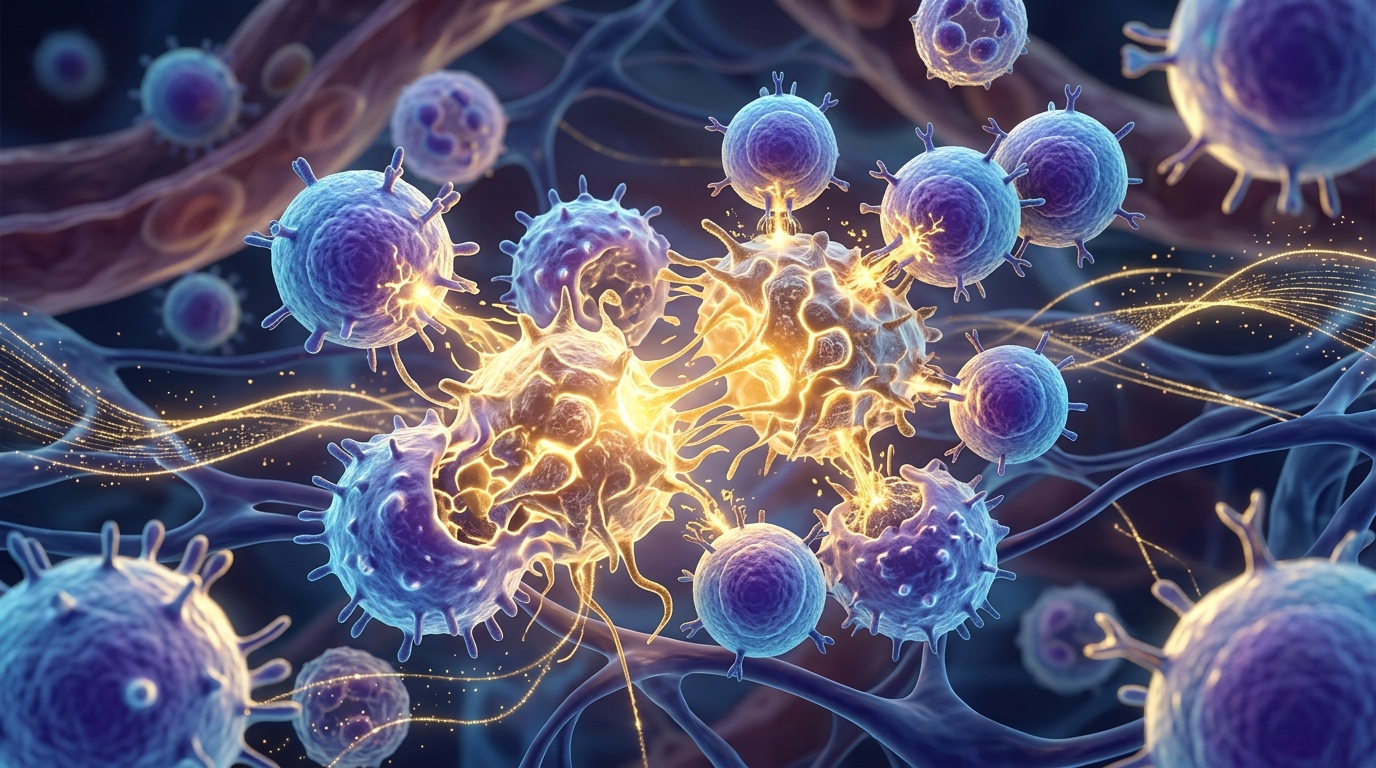
Most of these microscopic tumors will never become a problem. Why? Because your healthy immune system is constantly conducting surveillance — like cops on a beat, flying through your whole body looking for anything abnormal. When it spots those cells, it sends out signals to clear them out and destroy them before they ever stand a chance to grow.
Dr. Li calls your immune system "an army of super soldiers." They're protecting you from the inside out, wiping out microscopic cancers every single day.
Key Takeaways:
Your cells copy themselves constantly — mistakes (mutations) happen
Microscopic cancers form regularly, but a healthy immune system destroys them
Your immune system is conducting surveillance 24/7 — it never takes a break
🔴 What Happens When the Super Soldiers Retire
As you age, your immune system changes. Dr. Li puts it this way: those cops on the beat become retired police officers. They're less nimble. They show up late. They're less motivated to get in the car and do the patrol.
When surveillance becomes less effective, cells that would have otherwise been eliminated escape detection. They start to grow. They multiply. A tiny microscopic cancer can become a detectable cancer — and that detectable cancer can grow, get a blood supply, and explode in growth.
Here's the sobering math: the smallest tumor you can feel is 1 centimeter. That 1 cm tumor already contains a billion cancer cells.
This is why you need your immune system to wipe out these cells before the tumor gets that big!!
This weakening of your immune system — immunosenescence — is one of the reasons cancer is more common in older people.
Key Takeaways:
Aging turns "cops on the beat" into "retired police officers" — less effective surveillance
A 1 cm tumor = 1 billion cancer cells (by the time you feel it, it's massive)
Immunosenescence is a key reason cancer risk rises with age
🟠 The Proof: Immunotherapy and Organ Transplants
If you want proof that the immune system is your best cancer defense, look at two medical situations.
Organ transplant patients are put on immunosuppressant drugs so their bodies won't reject the new organ. But guess what? Suppressing the immune system suppresses those super soldiers. They're not conducting surveillance as well — and microscopic cancers are more likely to take root, multiply, and grow. That's why cancer risk is much higher in people who have had organ transplants and are on immunosuppressants.
Immunotherapy is the flip side. This is one of the most important breakthroughs in cancer treatment in our lifetime. If you boost your immune defenses — shields up, more cops on the street, better weapons, night vision — you can actually fight cancer.
Even in people in their 80s and 90s, immunotherapy can lead to dramatic responses. Sometimes complete remissions. This isn't chemo. It's helping your body do what it was designed to do.
Key Takeaways:
Immunosuppressant drugs (organ transplants) increase cancer risk — proof that immune surveillance matters
Immunotherapy boosts the immune system to fight cancer — even in the elderly
Complete remissions are possible when you power up your immune defenses
🟣 The Brain Connection: Alzheimer's and Dementia
Your brain has its own immune cells called microglia (pronounced mi-CRO-glee-uh). They monitor the brain environment, clear out damaged cells and debris, and maintain healthy nerve function — like maintaining the electrical system in your house.
With aging, microglia can become persistently activated. They get stuck "on" all the time. This produces brain inflammation. At the same time, they become less effective at clearing out toxins and cellular debris.
This double-barreled problem — too much inflammation and not enough cleanup — is what researchers see in the brains of people with Alzheimer's disease and other forms of dementia.
The immune link to Alzheimer's is an area of intense investigation, but what we know is this: disrupted immune regulation is partly at work in causing that brain damage.
Key Takeaways:
Microglia are your brain's immune cells — they clear debris and maintain function
Aging causes microglia to get stuck "on" → brain inflammation
This double-barreled problem is linked to Alzheimer's and dementia
🟤 The Muscle Connection: Sarcopenia
Sarcopenia is the loss of muscle mass and strength as you age. It's not just about not exercising enough or poor nutrition. An aging immune system plays a direct role.
In your muscle, you have special immune cells called macrophages. They're in charge of cleanup and rebuilding. When cleanup is needed, they shift into one gear. When cleanup is done, they shift into repair and regeneration mode. One cell, two jobs.
But with aging, macrophages don't do their job as well. Cleanup doesn't happen properly. Rebuilding doesn't happen properly. The result: more muscle broken down, less muscle rebuilt. Over months and years, you lose muscle mass — even if you're physically active and eating enough protein.
And the consequence is serious: loss of muscle → loss of strength → more vulnerability to falls → loss of independence. This is what we see in people who become frail as they get older.
Key Takeaways:
Sarcopenia = age-related muscle loss; immune system plays a direct role
Macrophages handle muscle cleanup and rebuilding — aging impairs both
Muscle loss → falls → loss of independence
🟢 The Good News: 3 Foods That Support Your Immune System
Your immune system is highly influenced by your daily environment — exercise, sleep, stress management, and what you eat. Dr. Li highlights three specific foods that can help support your immune system at any age, but especially as you get older.
1. Blueberries
Blueberries contain natural substances called anthocyanins. These bioactives support immune cell function and help regulate inflammatory signaling. They don't just activate the immune system — they help it function properly with the right type of balance.
🔸 How much? About 1 cup regularly. Fresh or frozen.
2. Green Tea (and Matcha)
Green tea contains catechins — especially EGCG (epigallocatechin-3-gallate). These support T-cells, which are involved in immune signaling and regulation. Green tea also contributes to antiviral defense.
🔸 How much? 2–3 cups a day. And if you want an even higher concentration of EGCG, matcha is your move — it's the whole leaf, not just the steep.
3. Extra Virgin Olive Oil (EVOO)
Extra virgin olive oil contains polyphenols like hydroxytyrosol and oleocanthal. These are anti-inflammatory compounds that help resolve inflammation — turning the volume back down toward normal. Remember: a little inflammation is good. You just don't want it to be chronic.
🔸 Use EVOO as your primary cooking fat, or take a few tablespoons a day.
Key Takeaways:
Blueberries (1 cup): Anthocyanins support immune balance
Green tea/matcha (2–3 cups): EGCG supports T-cells and antiviral defense
Extra virgin olive oil: Polyphenols help resolve chronic inflammation
❓ Quick Reality Check (Before We Begin)
🔸 You might be thinking: "But I've always heard cancer is just bad luck or genetics. Isn't this just another health fad?"
The Truth: Genetics load the gun, but lifestyle pulls the trigger. Your immune system is conducting surveillance every single day. Yes, mutations happen. Yes, environmental toxins exist. But you have an army of super soldiers inside you right now.
The question isn't whether cancer cells form — it's whether your immune system is strong enough to destroy them before they become a problem. That's not a fad. That's immunology.
🔸 "Does this mean I have to overhaul my entire diet and lifestyle overnight?"
The Truth: No. Dr. Li isn't asking you to become a monk. He's giving you three foods. Blueberries. Green tea. Olive oil. That's not a life sentence — that's a grocery list.
The fix isn't doing everything at once. It's stacking small, evidence-based upgrades until they become your default. Start with one. Then add another. That's how you build an immune system that shows up for you.
🚀 The REAP 5-Minute Accountability Reset
This is how we think. This is how we move. This is how we show up! Don't just read this — run one full round right now:
R — Recognize & Run Out (Minutes 1 & 2)
Name one thing you've been putting off that could strengthen your immune system. Maybe it's sleep. Maybe it's stress. Maybe it's the food on your plate. Fact-check it honestly: has ignoring this actually protected you, or just given you a false sense of safety? Pause the old "I'll get to it later" story.
E — Exchange + Envision + Emotion (Minutes 3 & 4)
Exchange your input. Visualize your next meal. Instead of reaching for the usual snack, envision adding a cup of blueberries. Feel the shift from "eating on autopilot" to "reinforcing the army inside you." See your immune cells — those super soldiers — getting the backup they need.
A — Activate with Action (Minute 5)
Write down the one food you will add to your routine today. Blueberries. Green tea. Olive oil. Commit to it before the day ends.
P — Program & Prosper (The Theta Window)
Celebrate tiny wins and lock this in during your neurological goldmine: the first 5–10 minutes after waking, or the last 5–10 before sleep. Stack the reps. Presence becomes identity. Identity becomes reality!
(Note on the science: This is the foundation of Hebbian learning — often summarized as "neurons that fire together, wire together." Repeated mental patterns physically strengthen neural pathways, a principle first established by Donald Hebb in 1949 and continuously validated in modern neuroplasticity research.)

🧠 LOCK IT IN Before Your Next Meal!
If this reset shifted something for you, don't let it fade by noon!
Get tomorrow's Thirsty Thursday Upgrade —He Quit Silicon Valley to Teach Meditation—Here's the 6-Phase System That Rewrites Your Future — Vishen Lakhiani — dropping free at 4:44 AM.
Subscribe Free → and get instant access to the 2-Page REAP & Theta Mornings PDF
🎖️ Wellness Wednesday Upgrade: Pick One - Add one cup of blueberries, 2–3 cups of green tea (or matcha), or extra virgin olive oil to your daily routine starting today.
Five minutes. One shift. One upgrade. Stay focused. Keep building!
P.S. — This is how we reach the perfect day. Not all at once. One deposit at a time. One honest pattern at a time. One upgraded morning at a time. See you tomorrow at 4:44 AM.
🌱 Start Here: The Foundation
🔸 Your Genes Are the Blueprint, Your Beliefs Are the Builder: Rewiring Reality Through Epigenetics
The foundation of our biology teaching: how beliefs, environment, and repeated inputs shape the way we live. CLICK HERE →
🔸 The Illusion of Reality: Where Consciousness Research Meets Direct Experience
The beginning of our consciousness and awakening series — an invitation to question the reality you have been handed. CLICK HERE →
💖 This post exists because I believe the best thing I can do for you is bring you the truth — Scientific, Soulful, and Actionable. YOU are why I'm here — so my mistakes and research become your shortcuts!
Pay It Forward! 🚀
~Brett
TheMorningMotivator.com
We're Upgrading 1%+ Every Day! (+34% Monthly, +38% Annually!)
Medical & Training Disclaimer: Hey, I'm just your science-backed, soul-led, unapologetically human mindset & performance trainer. The content provided in this blog post is for educational and informational purposes only. I am not a licensed physician, physical therapist, or medical professional, and this blog is NOT intended as a substitute for qualified medical advice. Always consult your healthcare provider or certified coach before making major life decisions or life changes. Got it? Good. I'll catch you tomorrow. Peace out!


