
Progress More in 6 Minutes Than a Month | Daniel Coyle

Stop Practicing, Start Reaching: How to Progress More in 6 Minutes Than a Month
Elite performance isn't born, it's built. Progress comes from deep practice—reaching past your limits and treating mistakes as information, not verdicts.
Tactical Tuesday
By Brett G Waddell ~ TheMorningMotivator.com
Don't miss tomorrow's Wellness Wednesday Upgrade: — The 'Healthy' Breakfast Habit That's Shredding Your Gut Lining (A Kidney Scientist Explains) — free at 4:44 AM. Subscribe →
WAKE UP! Awareness Brings Answers!
You know that feeling. The alarm goes off, and before your feet even hit the floor, a heavy weight settles on your chest. It’s the thought of another day of grinding on the same goals, running the same plays, and secretly wondering if you're actually getting anywhere or just running in place.
I've been there. For months, I felt like I was putting in the work with nothing to show for it, just exhausted and stuck.
I brought in performance expert Daniel Coyle to solve this exact problem, because his research proves something radical: it's not about how much you practice, but how you practice.
What if the key to unlocking a breakthrough wasn't in a month of hard work, but in a single, focused 6-minute session?
But here's the real question: if you knew you were only 6 minutes away from a breakthrough... would you have the courage to spend those minutes failing on purpose?
🏆 Tactical Tuesday UPGRADE
Most people treat practice as a performance. They run the drill, hit the rep, and move on. But performance expert Daniel Coyle found that the real growth happens in the opposite. Here's the real problem: you've been taught that mistakes are failures to be avoided, not information to be used.
🎖️ The Upgrade: On your very next practice session—whether it's a workout, a presentation, or a new skill—deliberately push yourself to the point of failure, then stop and feel exactly where you broke down. Do this just once today.
(Full REAP breakdown and theta application below 👇)
That's not just a practice tip. That's how you turn a 6-minute session into a month's worth of progress. Awareness, as always, brings answers. Here's the breakdown.
"Mistake is information. It's information over where you should reach next. And that combination of this intense desire plus this intense reaching, it's like this engine... That's what deep practice is."
Don't have time for the full podcast? I already pulled the exact moments that matter below. Hit play if you want to see it live, or keep scrolling for the breakdown.
Seeing it makes it real. Now, let's extract the exact mechanics so you can apply this to your life today. Keep reading for the core concepts, the 5-minute audit, and the REAP framework to wire this in for good.
🌞 The Core Concept: The Myth of the Magical Individual
We live in an age of peak individualism. When we see greatness—a Hemingway, a Michael Jordan, a Steve Jobs—we focus on the person. Their habits, their talent, their "magic."
It's a sexy story. But it's a blinding one.
Daniel Coyle, author of The Talent Code and The Culture Code, argues that this lens makes us blind to the real forces generating talent: the environment.
Talent isn't a magical gift bestowed upon a select few. It's a process, a science, and something you can cultivate. It's not about who you are, but the conditions you create to grow. Let's break down the mechanics.
🟢 The 6-Minute Breakthrough: Deep Practice in Action
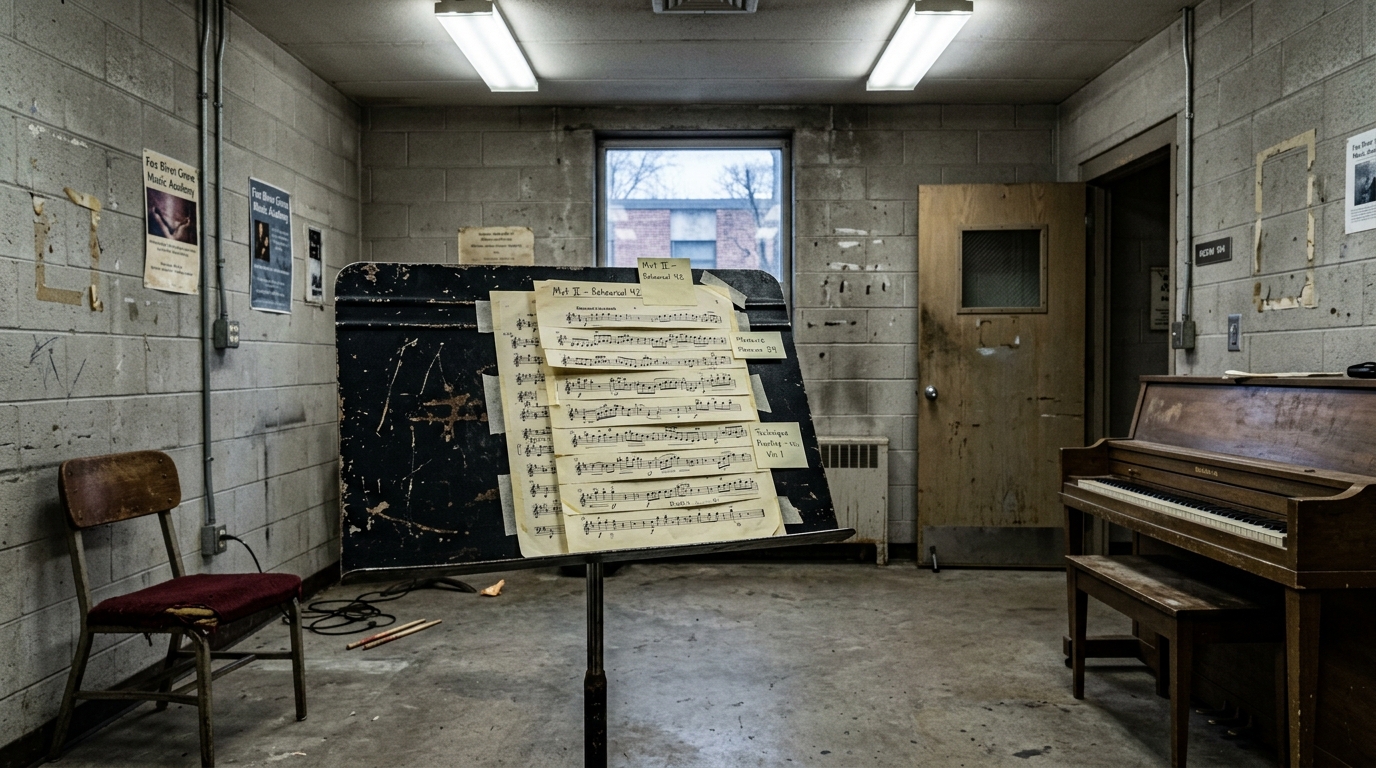
Coyle tells the story of Clarissa, a 15-year-old musician who was part of a study by psychologist Gary McPherson.
McPherson identified one 6-minute segment where Clarissa progressed more than she did in an entire month of normal practice. What was she doing? She wasn't just playing the song.
She was reaching. She would play a few bars, make a mistake, stop, feel that mistake, hum the notes, and then try again.
This is the anatomy of deep practice: operating at the edge of your ability, making mistakes, and correcting in real-time.
Key Takeaways:
Deep practice is not repetition; it's the process of reaching past your current ability.
The cycle is: attempt → fail → feel the error → adjust → attempt again.
This "struggle" is what builds the neural circuitry for skill.
🟡 The Rule of 20%: Mistakes Are Information
Most of us walk around thinking a mistake is a verdict—a sign that we're not meant for this. Coyle flips this completely.
A mistake is information. It's a signal showing you exactly where the edge of your ability is and where you need to reach next.
He calls it the "Rule of 20%." If you're failing about 20% of the time, you're in the sweet spot for learning. If you're not making any mistakes, you're not learning at all. The great irony is that the sweet spot feels bitter—it's uncomfortable, hard, and requires intense focus.
🔴 The Talent Hotbeds: Environment Over Ego
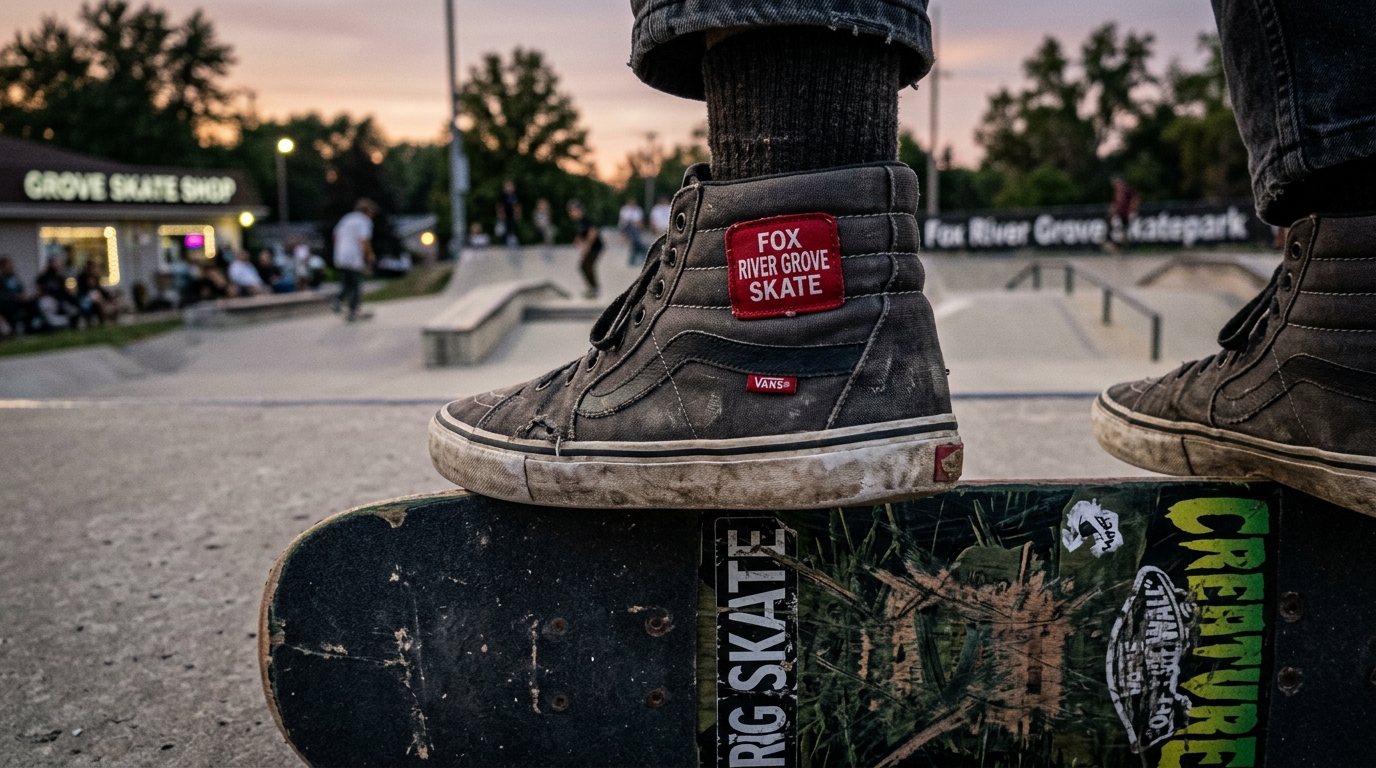
Coyle spent five years visiting "talent hotbeds"—places that produce impossible numbers of top performers, like a Russian tennis club or Brazilian futsal courts. He found they were not luxurious.
They were "chicken wire Harvards"—spartan, junky places of work. They shared key traits: they made students uncomfortable, they forced them into the sweet spot of failure, and they validated the struggle.
The lesson of Spartak tennis club, where 79-year-old Larissa Preobrajenska wouldn't let students compete until they had perfected a single stroke, is that elite environments build skill from the ground up, piece by piece.
Key Takeaways:
Elite environments are not about comfort; they are about focused, deliberate work.
They are designed to force you to make mistakes and learn from them.
The struggle is not just accepted; it is expected and made noble.
🟠 Ignition: Motivation Comes from the Outside In
What makes someone spend thousands of hours at the edge of their ability? Coyle says it's "ignition." We tend to think of motivation as an internal trait, but it's actually sparked by an external connection.
In one experiment, students who read a biography of a mathematician who shared their birthday worked three times harder on a math test. It's that "guitar string" moment—seeing someone just like you do something great. It unlocks the energy that fuels deep practice.
Key Takeaways:
Motivation doesn't happen from the inside out; it happens from the outside in.
Seeing a future version of yourself in someone else is what unlocks energy.
This moment, though seemingly irrational, is powerful because it creates a vision to strive for.
🔵 The Guild Model: Stare, Struggle, and Steal
Why did the Renaissance happen in Florence? Coyle points to the craft guilds.
These were not country clubs; they were workshops where young apprentices worked on real projects. They learned by mixing paint, carving stone, and preparing pigments for thousands of hours. They got hundreds of reps. They watched masters at work.
They were, in Coyle's words, "staring, struggling, and stealing." This is the ultimate elite development environment: a social place where you learn from others and build together!
❓ Quick Reality Check (Before We Begin)
🔸 You might be thinking: "But I've always been told repetition is the key to mastery. Isn't this 'deep practice' just a fancy word for hard work?"
The Truth: No one is denying the importance of hard work. The shift isn't about abandoning effort; it's about directing it. It's the difference between mindlessly running scales for an hour and spending six minutes intensely reaching, failing, and correcting.
You can hold both truths: hard work is essential, and how you work determines the speed of your growth. The science supports deliberate, focused struggle over passive repetition.
🔸 "Does this mean I need to find a mentor or quit my job to join a guild to get better?"
The Truth: No. The mechanism is about shifting your mindset and your environment, not making a life-altering relocation. You can apply the "guild model" right where you are. The fix isn't a new life; it's creating a culture of "stare, struggle, and steal" in your current practice.
Find someone slightly better than you and ask to watch them work. Start sharing your own mistakes openly. It's about tweaking your environment to create those reaches, not finding a magical place.
🚀 The REAP 5-Minute Accountability Reset
This is how we think. This is how we move. This is how we show up! Don't just read this—run one full round right now:
R — Recognize & Run Out (Minutes 1 & 2)
Name one skill or goal where you've been "practicing" on autopilot, logging hours but not seeing real progress. Fact-check it honestly: has mindless repetition actually built the skill you want, or just given you a false sense of accomplishment? Pause the old "comfort zone" story.
E — Exchange + Envision + Emotion (Minutes 3 & 4)
Exchange your input. Visualize your next practice session. Instead of just "doing the reps," envision hitting a wall, making a mistake, and then deliberately pausing to feel where the breakdown happened. Feel the shift from "performing" to "learning."
A — Activate with Action (Minute 5)
Write down the one specific skill or task you will apply the "Rule of 20%" to today. Commit to deliberately making at least one mistake in that area and using it as information before the day ends.
P — Program & Prosper (The Theta Window)
Celebrate tiny wins and lock this in during your neurological goldmine: the first 5–10 minutes after waking, or the last 5–10 before sleep. Stack the reps. Presence becomes identity. Identity becomes reality!
(Note on the science: This is the foundation of Hebbian learning—often summarized as "neurons that fire together, wire together." Repeated mental patterns physically strengthen neural pathways, a principle first established by Donald Hebb in 1949 and continuously validated in modern neuroplasticity research)
🧠 LOCK IT IN Before Your Next Set
If this reset shifted something for you, don't let it fade by noon!
Get tomorrow's Wellness Wednesday Upgrade — The 'Healthy' Breakfast Habit That's Shredding Your Gut Lining (A Kidney Scientist Explains) — dropping free at 4:44 AM.
Subscribe Free → and get instant access to the 2-Page REAP & Theta Mornings PDF
🎖️ Tactical Tuesday Upgrade: On your very next practice session—whether it's a workout, a presentation, or a new skill—deliberately push yourself to the point of failure, then stop and feel exactly where you broke down. Do this just once today.
Five minutes. One shift. One upgrade. Stay focused. Keep building!
P.S. — This is how we reach the perfect day. Not all at once. One deposit at a time. One honest pattern at a time. One upgraded morning at a time. See you tomorrow at 4:44 AM.
🌱 Start Here: The Foundation
🔸 Your Genes Are the Blueprint, Your Beliefs Are the Builder: Rewiring Reality Through Epigenetics
The foundation of our biology teaching: how beliefs, environment, and repeated inputs shape the way we live. CLICK HERE →
🔸 The Illusion of Reality: Where Consciousness Research Meets Direct Experience
The beginning of our consciousness and awakening series—an invitation to question the reality you have been handed. CLICK HERE →
💖 This post exists because I believe the best thing I can do for you is bring you the truth — Scientific, Soulful, and Actionable. YOU are why I'm here—so my mistakes and research become your shortcuts!
Pay It Forward! 🚀
~Brett
TheMorningMotivator.com
We're Upgrading 1%+ Every Day! (+34% Monthly, +38% Annually!)
Medical & Training Disclaimer: Hey, I'm just your science-backed, soul-led, unapologetically human mindset & performance trainer. The content provided in this blog post is for educational and informational purposes only. I am not a licensed physician, physical therapist, or medical professional, and this blog is NOT intended as a substitute for qualified medical advice. Always consult your healthcare provider or certified coach before making major life decisions or life changes. Got it? Good. I'll catch you tomorrow. Peace out!


