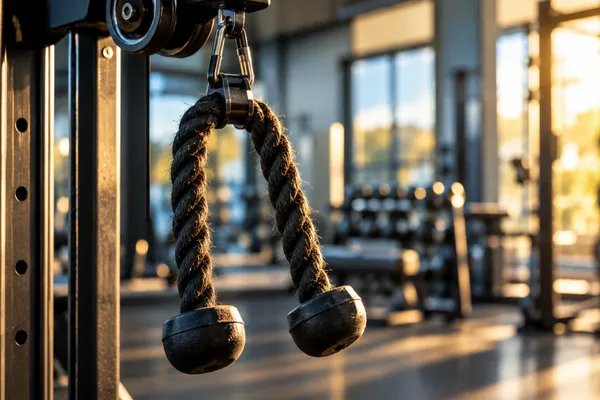
PT-Approved: 8 Exercises Quietly Wrecking Your Joints

PT-Approved: 8 Popular Exercises Quietly Wrecking Your Joints (And What to Do Instead)
Eight common exercises create compounding joint risk—here's the safer, equally effective swap for every single one.
Fitness Friday
By Brett G Waddell ~ TheMorningMotivator.com
Don't miss tomorrow's Spotlight Saturday Upgrade: Your Stress Response Is Killing You — A Cardiologist Explains How to Rewire It Before It's Too Late! — free at 4:44 AM. Subscribe →
WAKE UP! Awareness Brings Answers!
You ever catch yourself doing a movement in the gym on total autopilot—same exercise, same slot in the routine, never once asking why? I did.
For years I had this one lift I loved, swore by it, told anybody who'd listen it was a "must." Then a physical therapist asked me one question about what my joints were actually doing at the top of the rep, and I went quiet.
Here's what I've learned since: it's never the one rep that gets you. It's the hundreds you don't think about, quietly stacking risk on a joint that never agreed to the deal. And the worst part? The fix usually takes less effort than the habit—which means every extra week you spend defending the old way is a week you're paying for nothing.
Today I'm bringing in Jeff Cavaliere, the founder and president of ATHLEAN-X™, a science‑based training brand known for functional strength, injury prevention, and performance conditioning. Jeff's going to walk us through eight of the most common offenders—and the swap for each one—so you don't have to learn this the hard way like I did.
So before we get into it, ask yourself: what's the one exercise you've been doing on autopilot that you've never actually questioned?
🏆 Fitness Friday UPGRADE
Most people treat their workout like a fixed script—same eight exercises, same order, decade after decade. A physical therapist looked at the same movements and asked a different question: what is this actually doing to the joint?
Here's the real issue: it's not the one rep that hurts you—it's the hundreds you never think about, compounding quietly.
🎖️ The Upgrade: Before your next workout, pick the one exercise on this list you do most often and swap it for its safer twin—today, not "eventually."
(Full REAP breakdown and theta application below 👇)
That's not just a workout tweak. That's how you stop renting progress from a joint that's keeping score. Awareness, as always, brings answers. Here's the breakdown.
"I'm not saying your shoulders are about to detonate on a single repetition, but the accumulation of those repetitions leads to a compounding risk that just doesn't need to be there. Especially because you have a better option."
Don't have time for the full podcast? I already pulled the exact moments that matter below. Hit play if you want to see it live, or keep scrolling for the breakdown.
Seeing it done makes it real. Now, let's extract the exact mechanics so you can apply this to your life today. Keep reading for the core concepts, the 5-minute audit, and the REAP framework to wire this in for good.
🌞 The Core Concept: The Risk Is in the Reps You Don't Think About
Eight staples of the modern gym—exercises you've probably done this month—each put a joint in a compromised position under load. None of them will hurt you on rep one.
All of them quietly stack risk rep after rep. And every single one has a swap that's just as effective, often more so. Here's the full breakdown so you can skip the video and keep the truth.
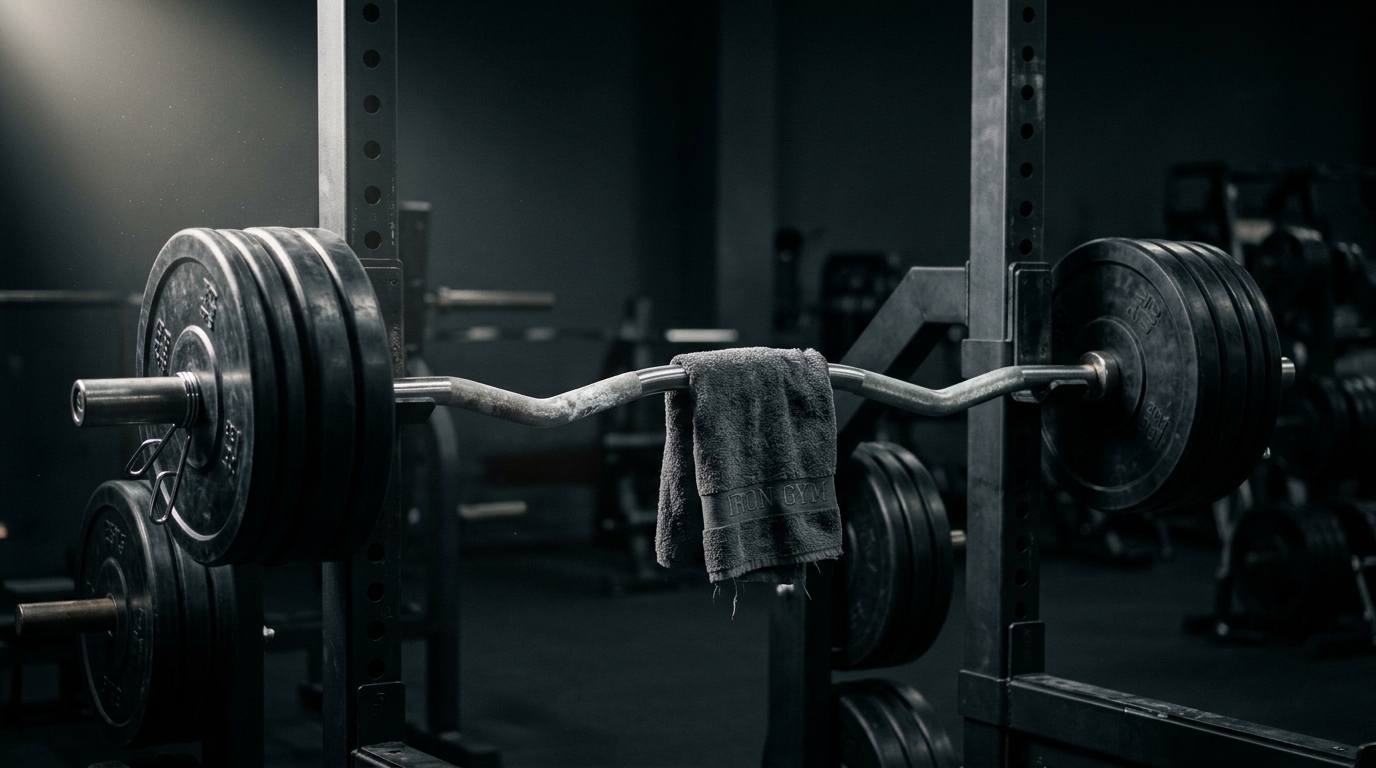
🟢 1. Upright Row → High Pull
The upright row drives your shoulder into internal rotation under load, because your elbows climb higher than your wrists—and at the top, your arm is elevated above the shoulder with weight in hand.
That's the impingement-risk zone, especially if you already have any shoulder discomfort.
The fix isn't "go lighter" or "stop at your chest"—it's the high pull, where the elbows stay lower than the wrists, creating external rotation instead. Same load, same delt and trap growth, safer joint position.
Key Takeaways:
Elbows above wrists = internal rotation under load = compounding impingement risk.
High pull flips the relationship: elbows below wrists = external rotation.
You keep the same load and the same delt/trap stimulus—you just stop paying the joint tax.
🟡 2. Unsupported Dumbbell Bench Fly → Cable Crossover
As a physical therapist's lens makes clear, the problem with the unsupported dumbbell fly isn't the fly—it's the unsupported part.
Your shoulder sits in its most stretched, most vulnerable position, with the anterior shoulder capsule taking the stress, and heavier dumbbells only raise the stakes.
The cable crossover lets you load more weight, control that stretch position, and unload instantly by simply turning toward the stack.
Bonus: you finally get full adduction across the body—something the fly can't give you, since it stops at midline.
Key Takeaways:
The stretched, unsupported bottom position is where the anterior shoulder capsule is most exposed.
"Just go light" isn't the fix—the cable crossover lets you load heavier and safer.
Full cross-body adduction means better stimulus, not just better safety.
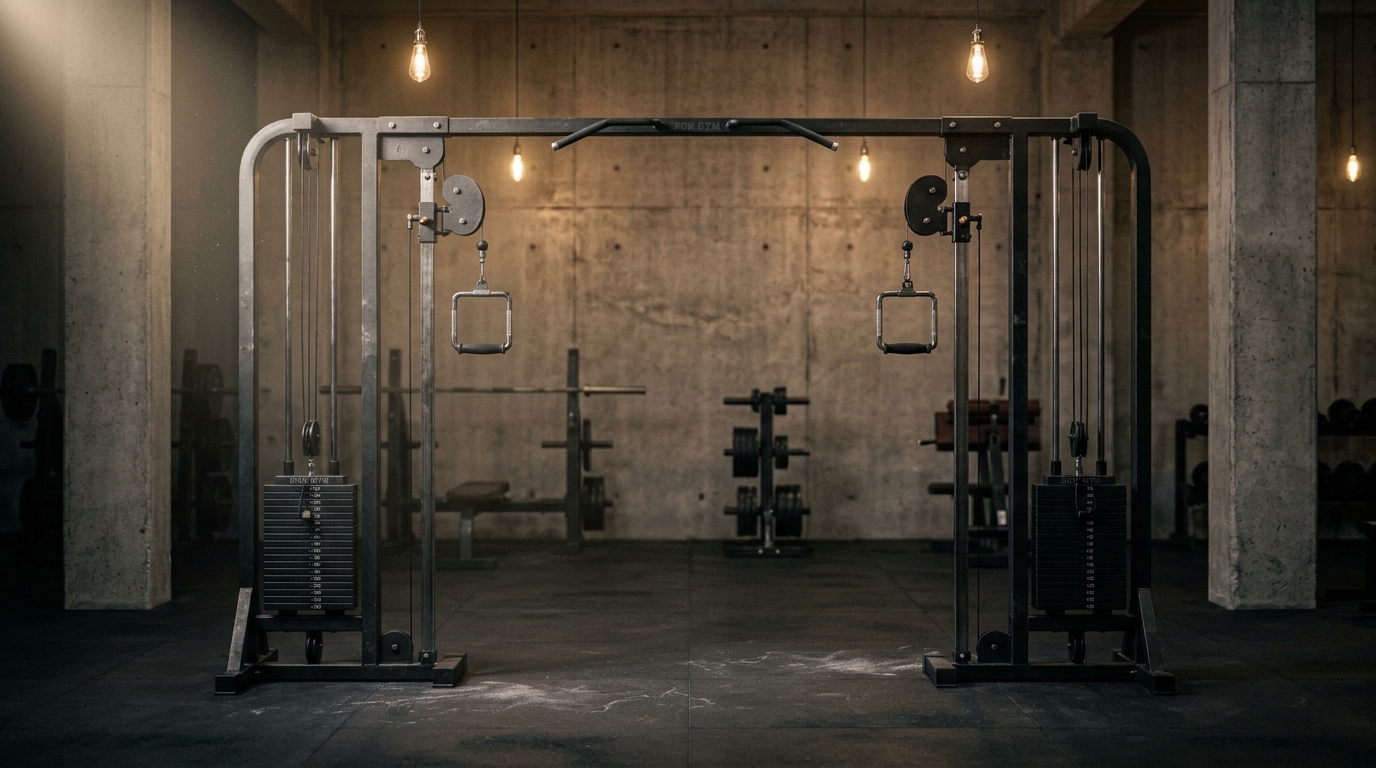
🟢 3. Cuban Press → Overhead Press + Face Pull
Combining a compound lift with a corrective exercise sounds efficient—it isn't. The Cuban press only stimulates the rotator cuff into external rotation at the very start of the movement, then abandons the job.
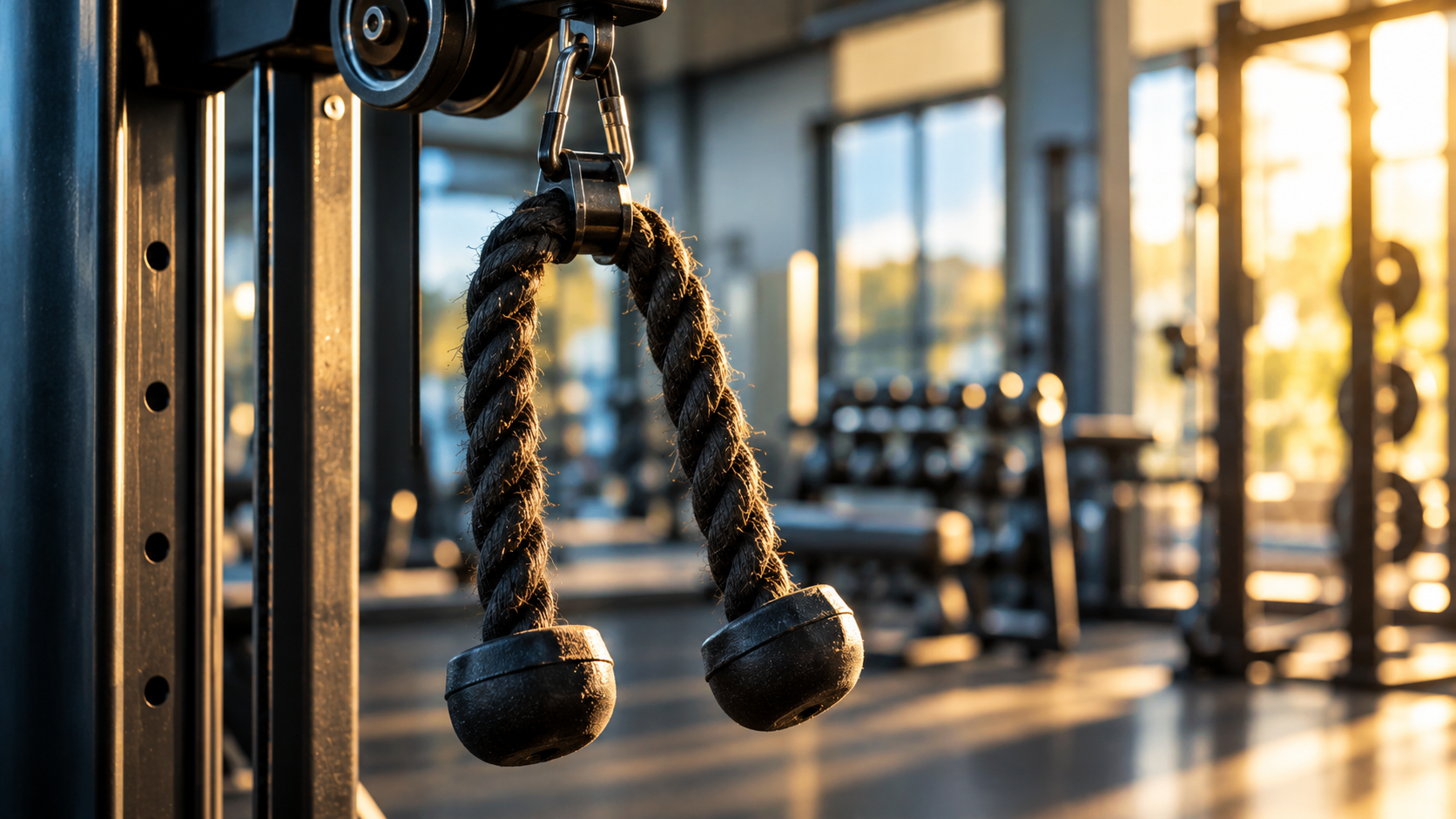
Better: press heavy for shoulder size on its own, then isolate the cuff with a band external rotation or—better still—the face pull, which resists external rotation through the entire range of motion.
Add the overhead component and you also hit the lower traps, which stabilize the shoulder long term.
Key Takeaways:
Don't bolt a corrective onto a compound—separate the jobs and do both well.
The Cuban press only trains external rotation at the very beginning of the rep.
Face pulls resist external rotation through the full range and wake up the lower traps.
🟡 4. Anchored Sit-Up → Feet-Beyond-Anchor Sit-Up
Anchoring your feet under something feels like it makes sit-ups easier—and that's exactly the problem. It hands the work to your hip flexors, which engage isometrically and let your body post up against the anchor, which is how "1,000 reps" becomes possible.
Worse, overactive hip flexors pull on the lumbar spine and yank your low back into positions that breed pain.
The fix: pull against something beyond your feet instead. That engages the hamstrings, which reciprocally quiet the hip flexors and force your abs to do the actual work. Fewer reps—far more effective.
Key Takeaways:
Anchored feet = hip flexors take over = your abs get a free ride.
Overactive hip flexors pull the lumbar spine into painful positions.
Pulling against something beyond your feet recruits hamstrings and puts the abs back in charge.
🟢 5. High Rack Pull (Above the Knee) → Regular Deadlift or Lower Rack Pull
Yes, rack pulls let you load absurd weight. But above the knee, that weight comes with a cost: excessive thoracic forward rounding, where the shoulder blades roll up and around the body. That position compresses the thoracic outlet—the bundle of nerves and blood supply running beneath your clavicle.
The fix is simple: pull from the floor, or drop the bar below the knee. Below the knee forces a hinge at the pelvis, and the hinge changes the mechanics up and down the spine—preventing the rounding and protecting the thoracic outlet while still letting you load heavy.
Key Takeaways:
Above-knee rack pulls invite thoracic rounding that compresses the thoracic outlet.
The fix is height, not heroics: pull from the floor or set the bar below the knee.
A pelvic hinge redistributes the load and protects the structures up the chain.

🟡 6. One-Arm Dumbbell Row (One Foot Down) → Tripod Row
The one-arm row's problem isn't the row—it's the setup. With one knee and hand on the bench and one foot dropped back, you're loading asymmetrically straight down into the inguinal canal, an area with a natural opening in the tissue that can widen under that pressure.
Add heavier dumbbells and you're inviting an inguinal hernia.
The fix takes ten seconds: raise the bench, plant both feet, and row from a balanced tripod position. Same one-arm pull, same lat contraction—no asymmetric stress on the canal.
Key Takeaways:
The one-foot-down setup loads the inguinal canal asymmetrically—hernia risk rises with weight.
The tripod row keeps both feet planted and the load balanced.
You keep the one-arm lat contraction and lose the structural gamble.
🟢 7. Static Hamstring Stretch Before Running → Dynamic Leg Swings
A static stretch before a run isn't a warm-up—it's a pause. You want something active: leg swings, which build dynamic flexibility through the hamstring and let you rotate the toe in space for external and internal hip rotation at once.
And most people's static hamstring stretch isn't even stretching the hamstring—slumping forward just works the low back. If you do stretch statically, do it right: anterior pelvic tilt, pelvis shot back, chest reaching out, not down. Then save it for after the run.
Key Takeaways:
Static stretching before activity isn't a warm-up—dynamic leg swings are.
Leg swings train hamstring flexibility plus hip rotation in one movement.
Slumping isn't a hamstring stretch; anterior pelvic tilt and reaching out is.
🟡 8. Weighted Side Bends → Side Plank or Russian Row
Two dumbbells, side to side, feels productive—but you're basically riding a seesaw alone, and your low back is a stable joint that shouldn't be treated as a mobility project.
There's also no such thing as spot-reducing love handles. If you insist on the movement, at least drop one dumbbell and work one side at a time so you're pulling against real resistance.
Better: a side plank for stability, or a Russian row if you want genuine oblique rotation—rowing the arm back behind the body to ensure you're actually rotating.
Key Takeaways:
The low back is built for stability, not loaded side-to-side mobility.
Two-dumbbell side bends cancel their own resistance—one side at a time or not at all.
Side planks build stability; Russian rows train the obliques' real job: rotation.
❓ Quick Reality Check (Before We Begin)
🔸 "But I've done these exercises for years and I've never been hurt. Isn't this just fearmongering?"
The Truth: Nobody's saying your shoulder detonates on the next rep. The PT's point is accumulation—the risk compounds quietly with every set, and the people who "never had an issue" are usually the ones who haven't hit the threshold yet.
The swap costs you nothing in results, so the only thing you're protecting by defending the old way is a habit.
🔸 "Aren't the replacements just weaker versions of the same lift?"
The Truth: No—in several cases they're better. The cable crossover lets you load heavier than the fly and adds full cross-body adduction. The face pull trains external rotation through the full range, not just the start. The high pull matches the upright row's load and growth.
You're not trading gains for safety; you're getting both.
🚀 The REAP 5-Minute Accountability Reset
This is how we think. This is how we move. This is how we show up! Don't just read this—run one full round right now:
R — Recognize & Run Out (Minutes 1 & 2)
Name the one exercise from this list you've done most recently without thinking about it. Fact-check it honestly: have you ever actually questioned the joint position, or just trusted that it was "a classic"? Pause the old "it's always been done this way" story.
E — Exchange + Envision + Emotion (Minutes 3 & 4)
Exchange your input. Visualize your next workout with the swap in place—elbows low on the high pull, both feet planted on the tripod row, ropes split wide on the face pull. Feel the shift from "going through the motions" to "moving with intent."
A — Activate with Action (Minute 5)
Write down the one swap you'll make in your very next workout. Commit to it before the day ends.
P — Program & Prosper (The Theta Window)
Celebrate tiny wins and lock this in during your neurological goldmine: the first 5–10 minutes after waking, or the last 5–10 before sleep. Stack the reps. Presence becomes identity. Identity becomes reality!
(Note on the science: This is the foundation of Hebbian learning—often summarized as "neurons that fire together, wire together." Repeated mental patterns physically strengthen neural pathways, a principle first established by Donald Hebb in 1949 and continuously validated in modern neuroplasticity research.)

🧠 SWAP IT Before Your Next Set
If this reset shifted something for you, don't let it fade by noon!
Get tomorrow's Spotlight Saturday Upgrade — Your Stress Response Is Killing You — A Cardiologist Explains How to Rewire It Before It's Too Late! — dropping free at 4:44 AM.
Subscribe Free → and get instant access to the 2-Page REAP & Theta Mornings PDF
🎖️ Fitness Friday Upgrade: Before your next workout, pick the one exercise on this list you do most often and swap it for its safer twin—today, not "eventually."
Five minutes. One shift. One upgrade. Stay focused. Keep building!
P.S. — This is how we reach the perfect day. Not all at once. One deposit at a time. One honest pattern at a time. One upgraded morning at a time. See you tomorrow at 4:44 AM.
🌱 Start Here: The Foundation
🔸 Your Genes Are the Blueprint, Your Beliefs Are the Builder: Rewiring Reality Through Epigenetics
The foundation of our biology teaching: how beliefs, environment, and repeated inputs shape the way we live. CLICK HERE →
🔸 The Illusion of Reality: Where Consciousness Research Meets Direct Experience
The beginning of our consciousness and awakening series—an invitation to question the reality you have been handed. CLICK HERE →
💖 This post exists because I believe the best thing I can do for you is bring you the truth — Scientific, Soulful, and Actionable. YOU are why I'm here—so my mistakes and research become your shortcuts!
Pay It Forward! 🚀
~Brett
TheMorningMotivator.com
We're Upgrading 1%+ Every Day! (+34% Monthly, +38% Annually!)
Medical & Training Disclaimer: Hey, I'm just your science-backed, soul-led, unapologetically human mindset & performance trainer. The content provided in this blog post is for educational and informational purposes only. I am not a licensed physician, physical therapist, or medical professional, and this blog is NOT intended as a substitute for qualified medical advice. Always consult your healthcare provider or certified coach before making major life decisions or life changes. Got it? Good. I'll catch you tomorrow. Peace out!


